
Six Ways to Cut Your Geyser's Share of the Electricity Bill
Below are six changes to properly manage your geyser, starting with the free ones and working up to the bigger decisions.
28/07/2026
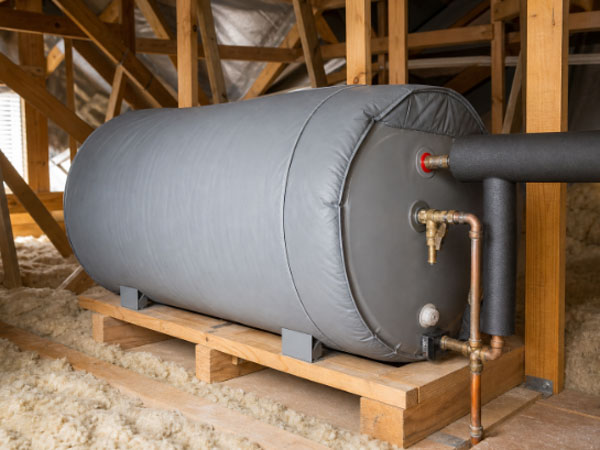
For most South African households, the geyser isn't just another appliance humming away in the ceiling — it's the single biggest electricity draw in the house, quietly responsible for anywhere from a third to half of your monthly bill, according to Eskom. It works hardest when nobody's watching, reheating water around the clock whether you need it or not. The good news is you don't have to give up a hot shower to shrink its share — here are six changes, starting with the free ones and working up to the bigger decisions.
Most of what follows you can tackle this weekend with nothing more than a screwdriver and half an hour. A couple are worth bringing in a professional, and I'll flag exactly which is which as we go.
1. Turn the thermostat down to 60°C.
This is the single biggest instant win, and it costs nothing. Most geysers leave the factory set closer to 70°C, and every degree above what you actually need is standing heat loss you're paying for around the clock. Don't go lower than 60°C, though — that's the temperature that keeps Legionella bacteria in check, so it's the sweet spot rather than the floor to push past.
2. Wrap the tank in a geyser blanket.
A geyser blanket is a cheap, thick insulating jacket that slows how fast the tank loses heat, which means the element switches on less often to keep the water warm. It's one of the fastest-paying purchases you can make in the whole house, and fitting one is a simple DIY job.
3. Lag the hot-water pipes.
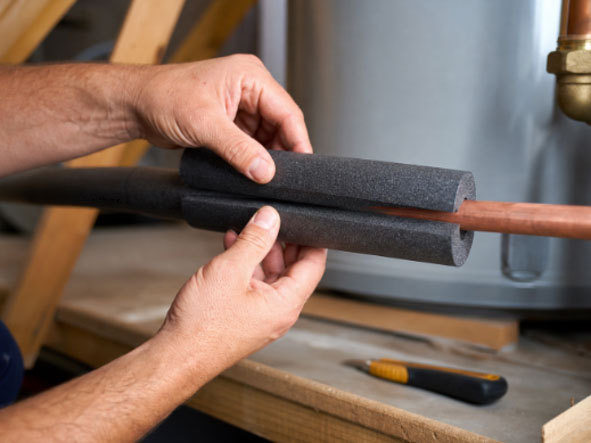
Foam pipe lagging on at least the first metre or two of hot pipe leaving the geyser stops heat bleeding away into the ceiling between uses. It's cheap, it's a genuine DIY job, and it's the step almost everyone forgets.
4. Fit a geyser timer or switch.
Rather than heating water 24 hours a day, a timer lets you heat it only for the hours your household actually uses hot water — a morning block and an evening block, say. The timer itself is an easy hardware-shop buy, but wiring one into your distribution board is an electrical job, not a DIY one — more on that below.
5. Change a few daily habits.
Shorter showers instead of baths, fixing a dripping hot tap as soon as you notice it (a slow leak reheats water all day long, invisibly), and only running the geyser hard when the house is actually full of people. None of this costs a cent, and small habits like these add up faster than you'd think.
6. Know when it's a professional's job — and when an upgrade actually pays back.
Wiring in a timer, sorting out a thermostat that won't hold its setting, or weighing up whether your whole geyser is due for replacement are decisions best made with a qualified installer, not guessed at a hardware till. Before you spend on a bigger tank or a full replacement, it's worth having a proper sizing conversation with a registered installer — a team like geysers-gauteng.co.za, whose PIRB-registered plumbers install and replace geysers and back their repair work with a six-month workmanship guarantee, can tell you honestly what will actually pay back for your specific home. A right-sized system, correctly installed and signed off, is where the real long-term saving lives.
None of this asks you to shiver through winter to save money. Start with the free changes today, add the cheap ones this month, and only spend on anything bigger once you've had a proper conversation about what your home actually needs.
A quick caveat: any
work involving your geyser's wiring, thermostat
or pressure-relief valve should always be left
to a registered professional — this is exactly
the kind of job the PIRB exists to regulate, and
it's not worth the risk of doing yourself.
Author bio (suggestion — adapt to host's bio
field/length if one exists):