
Modern Elegance Meets Hygge: Scandinavian-Inspired Living Rooms
If you have been thinking about giving your living room a refresh, Scandinavian design is one of the most rewarding directions you can take.
20/02/2026
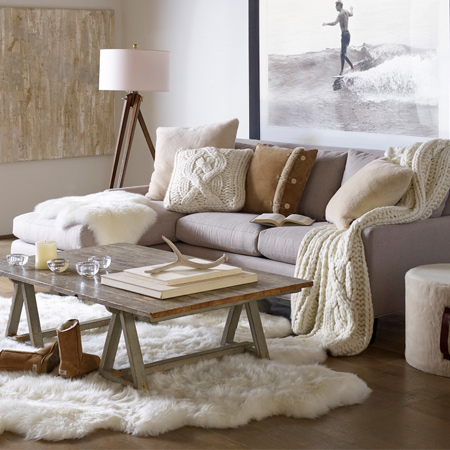
There is something almost magical about a Scandinavian living room. It feels calm the moment you step into it. Clean lines, warm textures, soft light — everything works together without trying too hard. That balance between modern elegance and the Danish concept of hygge (that cozy, contented feeling of being at home) is exactly what makes this design style so enduringly popular.
If you have been thinking about giving your living room a refresh, Scandinavian design is one of the most rewarding directions you can take. Here is what you need to know to get it right.
What Is Hygge, and Why Does It Matter in Design?
Hygge (pronounced "hoo-gah") is a Scandinavian concept that does not translate perfectly into English — but you know it when you feel it. It is the warmth of a candle on a dark evening. The softness of a wool throw draped over a chair. The ease of a space that feels lived in without looking cluttered.
In interior design, hygge means creating rooms that are genuinely comfortable and emotionally warm, not just visually appealing. Scandinavian design takes this idea seriously. Every element has a purpose. Every texture invites you to slow down.
The Foundation: Neutral Colors Done Right
Scandinavian interiors are famous for their restrained color palettes. Whites, soft grays, warm beiges, and muted greens form the backbone of the style. But this does not mean a Scandinavian room has to feel cold or sterile.
The key is layering. Start with a light, neutral wall color — a warm white or a pale stone tone works beautifully. Then build depth through furniture, rugs, cushions, and accessories in varying shades and textures. When done well, a neutral Scandinavian room feels rich and inviting rather than bare.
Natural Materials Are Non-Negotiable
Wood is the soul of Scandinavian design. Light oak, birch, and pine bring warmth into a space without overwhelming it. You will find it in furniture legs, shelving, coffee tables, and flooring. The grain of the wood adds visual interest while keeping the overall look grounded and organic.
This is where thoughtful sourcing makes a real difference. Naturwood Home Furnishings has built a reputation for offering quality wood pieces that carry that authentic Scandinavian warmth — furniture that feels crafted rather than mass-produced, and that ages beautifully over time. Pairing natural wood pieces with linen, cotton, and wool softens the overall look and keeps the room feeling approachable.
Stone, rattan, and leather also have a place in this aesthetic. A rattan pendant light or a smooth ceramic vase adds texture without adding noise.
Furniture: Simple, Functional, Beautiful
Scandinavian furniture follows a clear principle: form follows function. Pieces are designed to be used, not just admired. Low-profile sofas with clean silhouettes, armchairs that are actually comfortable, and coffee tables that offer storage — these are the kinds of choices that define the style.
Avoid heavy, ornate furniture. Look instead for pieces with tapered legs, simple joinery, and an uncluttered profile. A classic mid-century modern sofa in a soft, textured fabric is a perfect anchor for a Scandinavian living room. Layer in a natural wood side table and a linen-upholstered accent chair, and you have the essentials covered.
The beauty of this aesthetic is that investing in fewer, better-quality pieces always pays off. One well-made bookcase beats four cheap alternatives every time.
Lighting: Soft and Intentional
Scandinavian countries spend long winters with limited daylight, which is why lighting is treated as an art form in this design tradition. The goal is always warmth over brightness.
Layer your lighting thoughtfully. A large pendant light over the seating area creates a focal point. Floor lamps with warm-toned bulbs add depth to corners. And candles — lots of them — are genuinely part of the design language, not just an afterthought. Candlelight is quintessentially hygge.
Avoid harsh overhead lighting. If you have recessed ceiling lights, put them on a dimmer. The ability to adjust the mood of a room through lighting is one of the most underrated tools in interior design.
Textiles and Soft Furnishings
This is where hygge truly lives. A Scandinavian living room without layers of soft furnishings is just a room with nice furniture. Throws, cushions, rugs, and curtains do the emotional heavy lifting.
Choose natural fabrics wherever possible — chunky knit throws, linen cushion covers, a hand-woven wool rug in a subtle pattern. A sheepskin draped over an armchair is one of the simplest and most effective hygge moves you can make.
Keep the color palette consistent with your walls and furniture. Tone-on-tone textures create visual interest without disrupting the calm, cohesive feel.
Bringing It All Together
A Scandinavian living room is not about perfection. It is about intentionality. Every piece you bring into the room should earn its place — either because it is beautiful, because it is functional, or ideally, because it is both.
Start with a strong foundation of natural wood furniture from a trusted source like Naturwood Home Furnishings, layer in soft neutrals and warm textiles, and let the light do the rest. The result is a living space that does not just look good in photos. It actually feels good to come home to — and that is the whole point of hygge.