
Exploring the Architecture Behind Utah's Luxury Ski Communities
Utah's luxury ski communities showcase some of the most distinctive residential architecture in North America.
08/12/2025
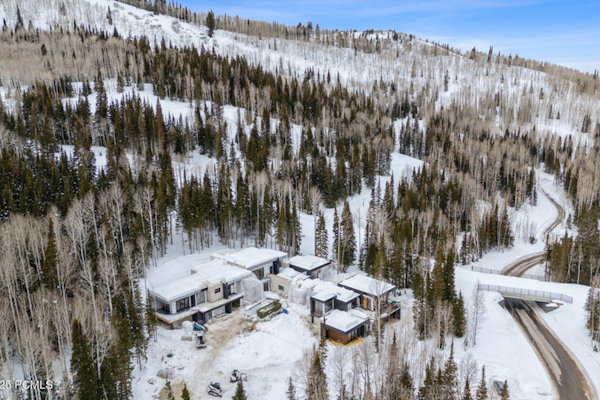
Utah's luxury ski communities showcase some of the most distinctive residential architecture in North America. The buildings that grace these mountain landscapes represent far more than shelter—they embody design philosophies that respond to extreme environments, celebrate natural settings, and push creative boundaries. Understanding the architectural traditions and innovations shaping these communities reveals why they command attention from design enthusiasts and discerning buyers worldwide.
Heritage Influences
Utah's architectural story begins with its mining heritage. The Victorian-era structures that still line historic districts established an aesthetic vocabulary that continues influencing contemporary design. Steep roof pitches designed to shed heavy snow, covered porches that extended living space during brief summers, and compact footprints suited to challenging terrain all emerged from practical necessity.
Today's architects mine this heritage selectively, extracting functional wisdom while reimagining formal expression. The steep roofs remain, now executed in standing seam metal or sophisticated membrane systems. The covered outdoor spaces persist, transformed into glass-enclosed transitional zones that blur seasonal boundaries. Browsing Old Town homes for sale reveals this heritage most directly, where preserved historic structures demonstrate principles that luxury developments throughout Utah continue honoring.
Mountain Modernism Emerges
A distinctly mountain modernist vocabulary has emerged in Utah's premier ski communities over recent decades. This approach rejects the literal rusticism of log cabin aesthetics while maintaining deep connection to site and setting. Clean lines replace ornamental complexity. Glass walls dissolve boundaries between interior and landscape. Natural materials appear in refined rather than rustic applications.
Mountain modernism in Utah demonstrates particular sophistication in how buildings meet terrain. Rather than fighting topography, these structures embrace it. Split levels follow natural contours. Cantilevered volumes extend over slopes to capture views. Foundation systems work with rather than against geological conditions. The resulting buildings appear to grow from their sites rather than imposing upon them.
Material Authenticity
Material selection distinguishes Utah's finest ski community architecture. Authentic stone sourced from regional quarries anchors buildings to their geological context. Timber from responsibly managed mountain forests provides warmth without manufactured rusticity. Steel and concrete appear honestly, celebrating industrial precision alongside natural materials.
This material authenticity extends to aging expectations. Architects specify materials that weather gracefully, developing patinas that integrate structures into landscapes over time. The goal isn't pristine preservation but dignified evolution—buildings that look better at fifty years than at five, their surfaces recording the passage of mountain seasons.
Climate-Responsive Innovation
Utah's extreme climate demands architectural innovation. Temperature swings spanning over one hundred degrees annually stress building assemblies relentlessly. Snow loads require structural systems far exceeding lowland standards. Solar exposure at altitude intensifies both heating potential and UV degradation.
Luxury ski community architecture has responded with increasingly sophisticated building science. Super-insulated envelopes maintain comfort with minimal energy input. Triple-glazed window systems capture views while blocking thermal transfer. Passive solar orientation harvests winter warmth while summer overhangs provide shade. These performance innovations often remain invisible, hidden within walls and roof assemblies, allowing aesthetic expression to proceed uncompromised.
Indoor-Outdoor Synthesis
Perhaps no architectural theme defines Utah ski community design more consistently than indoor-outdoor synthesis. Retractable glass walls transform living rooms into covered patios. Outdoor fireplaces and heating elements extend usable seasons on terraces. Hot tubs and pools integrate seamlessly with interior wellness spaces.
This synthesis reflects how residents actually live in mountain environments. The outdoors isn't something viewed through windows but something inhabited daily. Architecture that facilitates constant movement between conditioned and natural spaces supports lifestyles oriented around this integration.
Contextual Sensitivity
The finest Utah ski community architecture demonstrates contextual sensitivity that transcends individual property lines. Buildings consider their impact on neighbor views. Material palettes complement rather than clash with adjacent structures. Scale respects established community character while allowing contemporary expression.
This contextual awareness often results from design guidelines established by thoughtful community developers. Rather than constraining creativity, these guidelines channel architectural energy toward solutions that enhance collective environments. The communities that achieve this balance attract buyers seeking not just individual homes but membership in architecturally coherent settings.
Utah's luxury ski communities will continue evolving architecturally, responding to new technologies, shifting aesthetics, and deepening environmental consciousness. What remains constant is the fundamental challenge: creating buildings worthy of extraordinary settings while serving the demanding practical requirements of mountain living.