
Creating a Healing Home: Post-Surgery Comfort Tips After Bunion Procedures
Here’s how to turn your home into a true healing sanctuary after bunion surgery.
07/08/2025
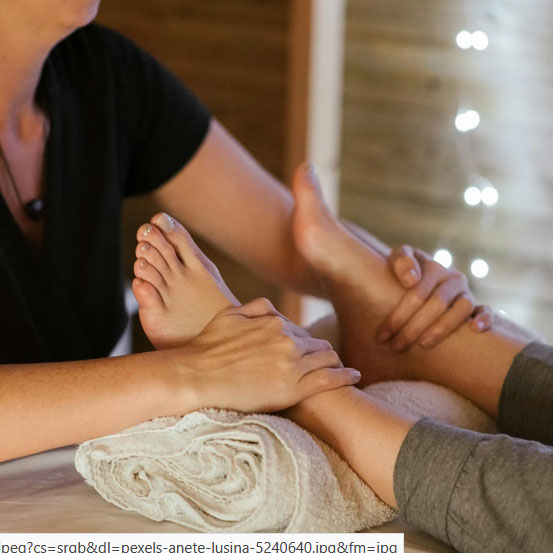
Undergoing bunion surgery is a major step toward lasting relief and improved mobility—but recovery doesn’t end when you leave the surgical center. A thoughtful, comfortable home environment can make a significant difference in your healing process. Whether you’ve opted for a traditional bunionectomy or a more advanced procedure like Lapiplasty, your home setup plays a vital role in managing pain, reducing swelling, and promoting faster recovery.
Here’s how to turn your home into a true healing sanctuary after bunion surgery.
1. Design a Low-Traffic Rest Zone
Designate a quiet, clutter-free space where you can elevate your foot, rest, and avoid unnecessary movement. Ideally, this area should be close to a bathroom and have easy access to everything you might need throughout the day: medication, water, snacks, reading material, and your phone or tablet.
Add supportive pillows, a small table or basket for essentials, and soft lighting for comfort. If stairs are unavoidable, consider setting up a temporary bedroom downstairs for the first few days.
2. Prioritize Foot Elevation and Cold Therapy
Keeping your foot elevated above heart level for the first 48–72 hours is essential to minimize swelling and discomfort. Use firm pillows or a wedge cushion to maintain elevation, especially while sleeping or napping.
Cold therapy can also be beneficial. Ask your surgeon about appropriate usage, but many patients find that a soft, reusable gel pack wrapped in a cloth can reduce inflammation when applied in intervals.
3. Dress for Recovery
Forget fashion—think function. Loose, breathable clothing and slip-on garments will make dressing much easier, especially if you’re dealing with crutches, surgical boots, or limited mobility. Compression socks (if recommended by your doctor) can help with circulation and comfort.
It’s also smart to remove trip hazards like area rugs, tangled cords, and unstable furniture to reduce your fall risk while moving around your home.
4. Stock Up on Nutritious, Healing Foods
Your body needs fuel to heal, and what you eat can impact your recovery. Prepare or purchase easy-to-heat meals ahead of time that are rich in lean protein, healthy fats, fiber, and vitamins. Bone broth, leafy greens, berries, and omega-3 rich foods like salmon or walnuts can support tissue repair and reduce inflammation.
Stay hydrated, limit processed sugar, and consider supplementing with doctor-approved vitamins like Vitamin C or zinc to boost immune function during recovery.
5. Understand the Procedure You’ve Had
Knowing what kind of surgery you’ve undergone helps shape your recovery expectations. Procedures like Lapiplasty, which realign the entire bone structure in 3D, may have different healing timelines and protocols compared to traditional bunionectomies. If you’re still deciding, learning about the differences between lapiplasty vs bunionectomy can help you have informed conversations with your surgeon and set appropriate recovery goals.
6. Plan for Gentle Movement and Rehab
While rest is critical in the early days, movement plays a key role in avoiding complications like stiffness or blood clots. Follow your surgeon’s advice on when and how to begin gentle range-of-motion exercises or physical therapy. Even walking short distances around the house (with assistance) can improve circulation and mood.
Some patients find it helpful to set reminders to flex their toes, shift weight gradually, or perform light leg stretches if approved.
7. Keep a Recovery Journal
Logging your medication schedule, pain levels, mood, and daily activities can be a useful way to track progress and identify patterns. It also helps during follow-up appointments when your care team asks about your recovery timeline.
Many patients find emotional comfort in journaling as well—especially during the slower days of recovery.
Final Thoughts
Recovering from bunion surgery takes time and patience, but creating a peaceful, supportive home can make the journey smoother and more comfortable. From your physical surroundings to your mindset, every detail counts.
By being intentional about your environment and staying informed, you’re setting yourself up for a successful, empowered healing experience.