
Essential Criteria to Consider When Hiring a Post-Disaster Mitigation Team
Most homeowners are not aware that from the point a fire puts a structure into a state of ruin, it becomes a chemistry problem.
29/07/2026
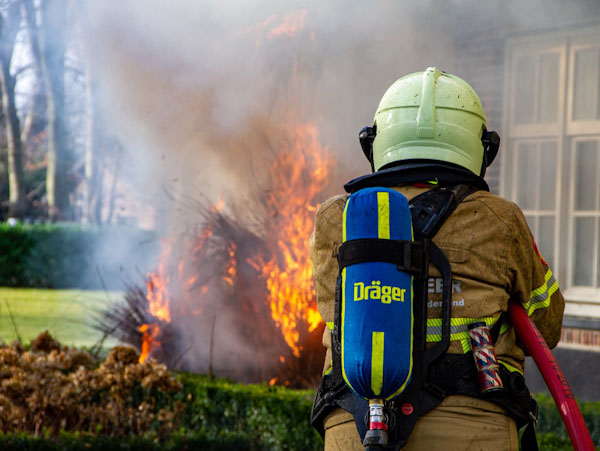
The damage from a fire can cause destruction beyond what is initially apparent. The fire itself is only one element that contributes to the destruction of a home or commercial building. The water, chemicals, punctures, and broken windows from firefighters can add to the destruction as well.
The difference between fire restoration and regular renovation
Most homeowners are not aware that from the point a fire puts a structure into a state of ruin, it becomes a chemistry problem. The building's normal condition changes the second the fire begins, and the resulting toxic soup of acidic soot and smoke infiltrates every available crevice. Porous surfaces, metal fasteners, and heated copper wiring are only a few of the surfaces that can permanently absorb fire byproducts that can cause extensive damage.
Within 24 hours of a fire, that acidic smoke will permanently etch the glass in your home, leaving it with the appearance of etched glass. The same smoke will corrode metal plumbing fixtures deep inside the walls of the structure far away from the fire's origin, and stain painted drywall with permanent acid stains. By the second day, the thousands of gallons of water dumped on the structure will start generating mold inside the walls in the places your fans can't reach.
This is not a project for the general contractor with "fire damage restoration" as a specialty. Your restoration team needs practical knowledge of chemistry, psychrometrics, and construction before they remove a single nail. Additionally, your team needs to know how to document everything accurately for your adjuster. A regular remodeling firm doesn't carry the skillset for this type of project. Here are 6 qualifications you should look for before you begin the hiring process.
Active IICRC Certifications for Fire and Odor Control
The IICRC, or Institute of Cleaning and Restoration Certification is a not for profit organization that sets the standard for the restoration industry globally. Any credible mitigation company should have at least two technician certifications from the IICRC: Fire and Smoke Restoration Technicians, and Odor Control Technicians.
While the FSRT certification is about removing the visible residue from a fire, it should be noted that the course also delves into chemistry. This is crucial, as fires that burn protein, synthetic, or natural fibers produce chemically distinct residues that require different treatments to remove.
The OCT certification is required for companies that want to effectively treat the odor caused by smoke, as trying to mask it with essential oils or synthetic plug-ins will do little to eliminate the smell. The science lies in neutralizing the activated carbon in the wood, drywall, and carpet that has been affected by the fire. It requires the use of hydroxyl generators, and in some cases ozone machines to deodorize and detoxify the structure.
Ask to see the technician's certification numbers. Look them up on the IICRC's website, and ensure that they are active. Companies that cannot prove their staff holds active certifications should be avoided, as they are a potential risk to your property.
Guaranteed 24/7 emergency response
Time sensitivity is the defining characteristic of any fire mitigation project, as many materials can only be saved within a matter of hours.
For instance, soot can permanently discolor glass within the first 24 hours of a fire, and metal components can corrode on the first day. Wetting agents can turn structural metal into rust, and if the framing and sheets within walls have been exposed to moisture, mold will begin growing within 24-48 hours depending on the temperature. The same type of mold infestation will occur if drywall has been wetted beyond the point of drying.
A contractor that guarantees a response to your emergency request within 24 hours is essential, as this can make the crucial difference between repairing a wallpapered wall and replacing it, especially when another crew may only be available on a next-day basis.
Experience with insurance and Xactimate
The insurance claim process is complicated, and your contractor is responsible for managing it for your benefit while also managing the physical restoration of your structure. Your contractor's expertise on the restoration side of the process has a direct effect on how much money you will be able to reclaim from the policy. It is estimated that between 10-20% of insured losses are hidden from adjusters due to mismanagement of the claim, and inexperienced teams can increase this number by an additional 30%, costing the policyholder tens of thousands of additional dollars.
When an estimator from your mitigation company compiles your Xactimate estimate in the same format and line coding as your adjuster does, the potential for dispute is minimized while the potential for full value on the claim is maximized. The Xactimate estimating software allows for a consistent breakdown of your loss, and ensures that the majority of costs are not hidden from both sides due to mismanagement or a misunderstanding of policy limits.
The second point regarding the importance of insurance expertise is the necessity for your mitigation team to understand how your adjuster is likely to cut costs on the claim if you can't prove a cost is necessary. This is especially crucial if they are aware of common line items that are typically disputed, as an inexperienced team will likely give the adjuster reason to lower the reimbursement on your claim.
Full service from emergency mitigation through renovation
The hand-off between mitigation and renovation contractors after fire damage is one of the most perilous points in the entire process. This is because the mitigation team can extract the majority of the salvageable materials, and leave the renovation team to assess the damage, and then raise costs to reflect it since they did not witness the initial damage assessment. The mitigation team removes all the insulation, finds that all the wood is charred, and discovers that one additional room is exceptionally large, causing the costs of renovation to suddenly skyrocket compared to the initial estimate. This leaves the homeowner to pay the difference.
A company that covers both the mitigation and renovation side of the process eliminates this risk, as the same team that extracted the salvageable materials and assessed the damage is also responsible for the renovation. This prevents disputes between subcontractors from damaging the budget due to differences in opinion regarding the initial assessment, as well as preventing the renovation team from inflating costs due to lack of knowledge regarding the original state of the home.
Commercial grade equipment owned and operated by the company
Equipment is essential in fire mitigation, and there are several pieces of commercial grade equipment that are necessary to properly address a fire damaged structure, such as thermal imaging cameras, HEPA air scrubbers, and desiccant dehumidifiers. The specialized nature of these machines requires a significant investment on the part of the owner, and as a result, many mitigation contractors opt to rent them for each job they perform rather than buy a fleet of industrial machines.
Thermal imaging cameras allow for a look into the deep structure of a building without having to open up every single wall to check for dryness, and HEPA air scrubbers are one of the few reliable methods for clearing airborne toxins from indoor air spaces after a fire involving synthetic materials. The desiccant type of dehumidifier removes moisture from walls and building material more effectively than their residential counterparts.
The question of whether the company you intend to hire owns the equipment they use is crucial, as it says a great deal about their intentions. A company that owns the tools they use will ensure that they are kept in good condition, and that they are using them correctly to keep costs low. They also tend to be more established in the industry and therefore more reliable as a long-term business partner.
Testing for hazardous materials prior to demolition
Before demolition or removal services can commence on any pre-1978 building, testing for hazardous materials like asbestos and lead-based paint is required.
Asbestos exposure is extremely common around damaged structures, as the fibers can become airborne after contractors begin removal work, and can be inhaled by anyone nearby. The best method of dealing with asbestos is to prevent exposure by eliminating its presence, which is why licensed and experienced mitigation contractors will conduct environmental testing prior to demolition and removal of building materials. The same applies to lead-based paint, as the dust generated by the removal process can be extremely hazardous to children and adults alike if inhaled over an extended period of time.
Testing for toxic materials is part of the preparation prior to any large-scale structural removal in older buildings, and a qualified team will enforce this standard. They will conduct the testing themselves, or will have arrangements with an independent commercial testing facility. The results of the tests will dictate whether asbestos or lead removal services will need to be brought in, and the qualifications for those services.
The other aspect of hazardous evaluations that mitigation teams conduct deals with the structural integrity of the building. Prior to conducting any work inside a fire-damaged building, the integrity of load bearing walls, foundations, and other structural components should be evaluated by an expert to ensure that the building is not inherently unstable, which is a serious safety concern that may arise after a fire.
Local expertise and permit experience
A structure, electrical, or plumbing permit must be filed and approved in the local jurisdiction before most aspects of a renovation can begin. The ability to obtain the necessary permits quickly is a crucial component of any fire restoration since the faster the job moves, the less chance there is of further damage. This can be extremely dependent on the local laws where your structure is located, and it is vital to work with a team that is familiar with the local requirements since even the most qualified teams can require weeks to obtain the necessary documentation for a permit if they do not know the area.
Homeowners searching for the best fire damage restoration company in NYC should therefore look for a team with practical experience navigating local permit requirements as well as managing the restoration itself.
In higher density cities, obtaining permits can be complicated, especially if your home is in a landmark district or shares a wall with your neighbor and requires a matching firewall, or if your dumpster requires special permissions from the local government that isn't needed in the suburbs.
Navigating the bureaucracy of a city like New York can be incredibly time consuming, especially for teams that have to work in unfamiliar jurisdictions. As such, it is essential to work with a local and qualified team that can expedite the permitting process for you to ensure that your renovation is not delayed for months due to paperwork. It is also common for subcontractors to be required to wait before they can begin certain aspects of the job due to the slow permitting process, especially if they need to file one or more permits for the work they are responsible for.
Content management and pack out documentation
One aspect of the mitigation process that is often overlooked when considering a potential team are their logistics for documenting and packing up your personal belongings during the process. For instance, when your mitigation team goes through your fire-damaged structure, room by room, they will be boxing up all the salvageable items and documenting everything else. Are they going to document every item?
This pre-move documentation is essential, and should be performed by your team so that all items are accounted for in the claim. In most cases, this will entail some sort of photo and description, rather than a simple sticky note on a lamp.
If your team doesn't have a standard process for this specific task and simply walks into each room to write down what they see, there is a risk that items you want to save may be thrown away.
Ask a specific question regarding the insurance coverage held by the company for contents in their care, and request to see a sample of pack out documentation from a previous job.
What to do with this list
The above list is not comprehensive, but it covers the most crucial aspects of choosing a restoration team after a fire. Everything on this list corresponds to a potential risk in the mitigation process, and a team that covers all of them is also less likely to leave you in a worse position than before the fire due to mold, an uninsured claim, or poor mitigation interfering with renovation work. Take the time to find a company that covers every point mentioned above before you make any financially binding agreements.