
How to Design a Family-Friendly Driveway
A family-friendly driveway gives each activity enough room. It should feel simple during the morning rush and easy to use after dark.
10/08/2026
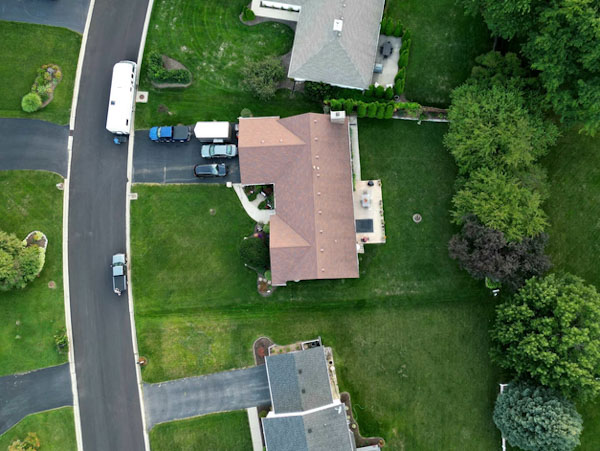
At home, the driveway is rarely used for parking alone. Children collect bikes from the garage. Someone carries shopping bags to the front door. Bins move to the street. Couriers stop at the gate. An electric car may also need a charging cable.
A family-friendly driveway gives each activity enough room. It should feel simple during the morning rush and easy to use after dark. Good planning can also reduce small daily frustrations.
Create Parking Spaces That Everyone Can Use
Begin with the cars used every day. Measure their full width with the doors open. Check the space behind the boot too.
Families often need more room than the vehicle itself. Parents may need to reach a child seat. Older relatives may need a wider door opening. Shopping bags, sports equipment, and pushchairs also take up space.
Start with the largest regular vehicle. Leave enough room beside walls, gates, and other parked cars. Drivers should be able to see the driveway entrance before moving onto the road.
The parking position should also suit the garage door and entrance gate. A car parked too close can block the swing of a gate or make the garage difficult to use.
Different paving colours can help define each parking space. A change in surface texture can achieve the same effect. These details organise the driveway without making it look like a public car park.
Plan Areas for Bikes, Scooters, and Other Equipment
Bikes and scooters often end up against the garage door. This usually happens because the storage area is too far away or difficult to use.
Create a storage area near the driveway exit. Place it outside the main reversing area. Children can then collect their equipment without walking behind a moving car.
Low racks work well for children’s bicycles and scooters. Wall hooks can hold larger bikes. Add a shelf or basket for helmets, locks, pumps, and other small items.
Check the space around handlebars and pedals. A rack may fit against the wall, but the bicycle can still block a door or narrow passage.
The route from the storage area to the street should stay open. Riders should not need to squeeze between parked cars. A covered storage area can also protect equipment from sun and rain.
Garden tools, sports equipment, and cleaning supplies need their own place. Keeping them away from bikes makes the storage area easier for everyone to use.
Keep Walking Routes Safe and Accessible
Give people a direct path from the gate and parking spaces to the home. Place it along the house or boundary. This keeps pedestrians outside the main reversing area.
Make the path wide enough for a pushchair or a person carrying shopping bags. Use a firm surface with good grip. Gentle slopes are easier for children, older visitors, and wheelchair users.
Lighting should cover the full route. The front door and garage entrance also need enough light. Low garden lights can help show the edge of the path after dark.
Keep drains, hoses, toys, and loose equipment away from the walking area. Use a gentle ramp where the ground level changes.
Plants can soften the appearance of a driveway. Keep them low near corners and the entrance. Drivers need a clear view of people approaching the parking area.
The walking route should remain easy to use in wet weather. Good drainage prevents puddles and slippery patches beside the home.
Make EV Charging Safer and More Convenient
Plan EV charging around the normal overnight parking position. Place the charger near the vehicle’s charging port. A short cable route is easier to manage.
The charging cable should stay away from wheels and walking paths. Store extra cable on a wall-mounted holder. This keeps the connector off the ground and makes it easier to find.
Where a cable has to cross a driveway or path, cable ramps can cover it and create a more visible crossing. Choose a model that fits the cable and the expected traffic.
Use a qualified electrician for the installation. The electrician can check the electrical supply, outdoor protection, and charger position. It is also worth planning for a second electric vehicle.
Keep the charger easy to reach from the parking bay. Place the controls at a practical height and provide lighting for use at night.
Before work begins, test the driveway layout in real life. Park each car and open every door. Wheel the bins towards the street. Walk from the gate to the front door. Place a bicycle where a child can reach it.
This simple check can reveal problems that are easy to miss on a drawing. Even a compact driveway can work well with careful planning. Cars have a proper place, the walking route stays open, and everyday household tasks become easier.
Leave Space for Deliveries and Household Needs
Deliveries are now part of daily home life. A courier needs somewhere to stop, find the correct entrance, and leave a parcel safely.
Create a small open area near the gate or front door. It can also help with groceries, school bags, and items waiting to be loaded into a car.
Think about the route used for household bins. Bins should move from their storage position to the street without passing between tightly parked cars. The route should remain wide enough on collection day.
Leave working space behind
at least one parking bay. This makes it easier
to unload the boot or move a large household
item.
Water taps, utility meters, garage
doors, and drain covers also need access. Avoid
placing permanent storage or heavy planters in
front of them.
Some open space can be useful
for visiting tradespeople. It may also provide
temporary parking for a guest. A flexible area
often serves the household better than an extra
decorative feature.