
Complete Roof Installation Guide for 2025
When deterioration sets in, a roof replacement becomes vital for maintaining the strength, safety, and thermal efficiency of your house.
10/07/2025
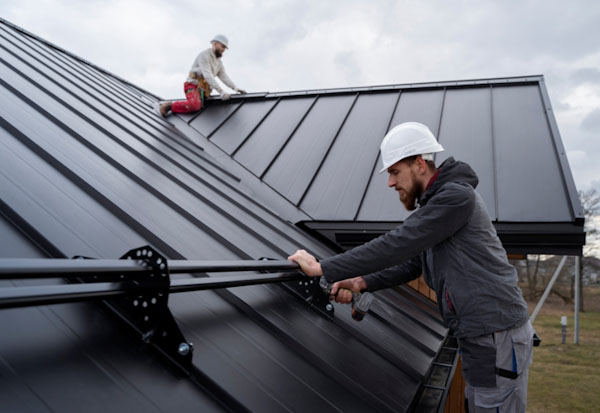
Your home's roof serves as its first line of defense, shielding you and your belongings from unpredictable weather conditions like rain, wind, snow, and intense heat. Not only does it provide structural protection, but it also supports indoor comfort and energy efficiency. However, over time, roofing materials naturally wear down due to environmental exposure and general aging. When deterioration sets in, a roof replacement becomes vital for maintaining the strength, safety, and thermal efficiency of your house.
When Should You Consider Replacing Your Roof?
Are you unsure whether your roof needs to be replaced? These telltale signs can help you decide:
1. Roof Age
The lifespan of a roof is one of the primary indicators of when a replacement might be necessary. Asphalt shingles, one of the most widely used roofing materials, generally have a lifespan of 15 to 45 years. Kona roofing companies often recommend that if your current roof is approaching or has exceeded that age, it's wise to have it inspected for potential replacement.
2. Shingle Damage or Loss
When your shingles are cracked, warped, missing, or broken, your roof could be failing to shield your home. Damaged shingles can allow moisture to seep in, increasing the risk of leaks and internal damage, especially during heavy rain or storms.
3. Leaks and Water Stains
Water stains on ceilings or walls are a significant warning sign. Persistent or unrepairable leaks usually signal that patching is no longer sufficient, indicating a full roof replacement is necessary to resolve the underlying problem.
4. Roof Deck Sagging
A sagging roof deck signals underlying structural problems. This could result from prolonged water damage, rotting, or substandard construction practices. Ignoring such Issues could lead to more serious and costly repairs later.
5. Granules in Gutters
As shingles wear out, they begin to lose granules—the tiny, sand-like particles that help protect them from UV rays. If you see a large amount of these granules in your gutters or notice bare spots on your shingles, it's a strong indication that your roof is deteriorating.
6. Mold or Rot
Moisture trapped under the roof’s surface can lead to the growth of mold or the decay of wooden structures. Not only does this weaken the roof’s integrity, but it also impacts indoor air quality. Prompt action can prevent widespread damage.
7. Spiking Energy Costs
If your heating and cooling bills are increasing without a clear reason, your roof might be to blame. An inefficient or poorly insulated roof allows air to escape, forcing your HVAC system to work harder to maintain indoor comfort.
10 Essential Steps in Roof Replacement
Installing a new roof involves more than just laying down shingles. Here's a step-by-step outline of the full process:
1. Inspection by a Roofing Expert
A professional starts by evaluating the current condition of your roof, identifying any structural damage, leaks, or weak spots to create a comprehensive replacement plan.
2. Choosing Roofing Materials
Homeowners can choose from materials like asphalt shingles, clay tiles, slate, metal panels, or wood shakes. Each option varies in terms of price, appearance, maintenance, and durability.
3. Getting the Necessary Permits
Before work begins, contractors typically handle the task of acquiring permits based on local building codes to ensure the job is legally compliant.
4. Deciding Between Tear-Off or Overlay
Sometimes a new roof can be installed over the old one (called an overlay), but in most cases, a complete tear-off is preferable. This allows contractors to detect hidden issues and build a more durable, long-lasting structure.
5. Roof Deck Preparation
Once the old roofing is removed, the underlying wooden deckusually plywood or OSBis examined for any signs of decay or damage. If necessary, compromised sections are replaced to create a sturdy base for the new roof.
6. Underlayment Installation
A layer of underlayment designed to be either water-resistant or completely waterproof is laid over the roof deck. This works as a barrier against leaks, especially in areas exposed to frequent rainfall or snow.
7. Applying the New Roofing
The actual roofing material is then installed. For asphalt shingles, they are laid from the bottom edge upward, overlapping each row to provide optimal water drainage.
8. Ventilation Setup
A good ventilation system ensures that heat and moisture don't accumulate in the attic, helping prevent mold growth, rot, and ice dams. Proper airflow also contributes to great energy efficiency year-round.
9. Flashing
Contractors install metal flashing around vulnerable areas like valleys, vents, and chimneys to provide extra protection against water intrusion.
10. Cleanup and Final Inspection
Once everything is installed, the work area is cleaned, with all debris, nails, and waste material removed. The last step involves a detailed inspection to confirm the roof meets quality standards and is fully prepared to safeguard your home.
How Long Does Roof Installation Take?
The time required to complete a roof replacement generally ranges from 2 to 8 days, depending on factors such as:
- Roof Complexity: Simple roofs can be completed in a day or two, while complex designs involving slopes, skylights, or chimneys may take longer.
- Weather Conditions: Favorable, dry weather speeds up installation. Rain or high winds can cause delays.
- Material Type: Asphalt shingles are faster to install compared to more labor-intensive options like tile or metal.
- Tear-Offs: Removing the old roof takes extra time but is often worth the effort for better results.
Conclusion: Investing in Long-Term Protection
A new roof isn't just a structural
upgradeit’s an investment in your home's
longevity, comfort, and resale value. Whether
you're tackling storm damage or simply replacing
an aging roof,
hiring certified and experienced
professionals ensures quality results that will
last for decades.
Take the time to choose the
right materials, get proper permits, and work
with trustworthy contractors for a smoother,
stress-free roof replacement in 2025.