
Understanding the Different Types of Tree Care Services
Many services exist for healthy trees that reduce property damage and discerning what each type of service is can help when it comes to problems.
04/02/2026
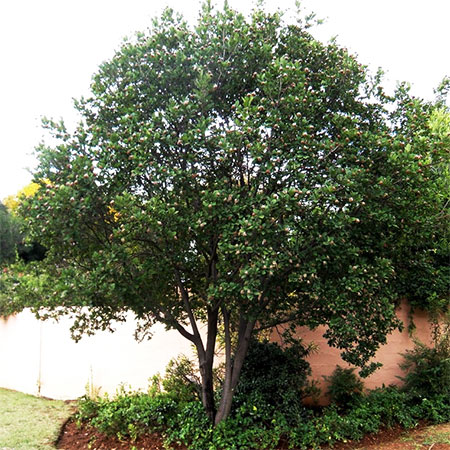
Most property owners think about tree maintenance when they need a branch cut or a dead tree removed. However, many services exist for healthy trees that reduce property damage and discerning what each type of service is can help when it comes to problems.
Maintenance Pruning and Structural
To some, pruning is simple, but with various means necessary for different trees, it's not as easy as it seems. Thinning (removal of dead branches) is light pruning that involves aesthetic improvement. This is the stuff you do every 2-3 years, but structural pruning includes more. Structural sets the course for how a tree grows, omitting competing leaders and correcting weight distribution. This is more appropriate for younger trees as it essentially teaches them how to grow safely. Mature trees may be pruned structurally if they received storm damage or if they have the potential to grow into something dangerous to manmade objects.
But structural work needs to be done by someone knowledgeable about tree biology. Cut at the wrong angle or during the wrong season and you've created an entry point for disease or a weakened tree.
Assessment and Evaluation
Here's where many people don't realize there exists a certain service. An assessment is completed by someone who knows what to look for and diagnoses a problem. They look for disease, pests, breakage, weakness at the root plate, decay and weather-related issues.
But evaluation expands upon this and determines whether or not a tree is a hazard to humans and other structures. Trees may not always exhibit a glaring problem. Internal decay, compromised root plates and emerging cracks all signal a tree that will fail, but it takes trained eyes to spot these early on. For homeowners who have older trees or trees too close to homes/buildings, companies like GTS Trees offer comprehensive evaluations that pinpoint areas of concern before they become emergencies.
But the problem is, most trees are monitored until something dramatic occurs. Only at this point are options curtailed and expenses increased.
Emergency Removals Vs. Scheduled
Not every tree removal is an emergency situation. A scheduled removal occurs when a tree is in decline, poorly placed or replaced as part of landscaping efforts. These can often be scheduled in accordance with the seasons, budget or accessibility of the property.
Emergency removals occur from storm damage, tree failure or if a tree has become a hazard. These are time sensitive and cost extra because they're emergent situations that often put a crew in precarious spots—a tree leaning against a house or a tree blocking an entrance cannot wait for an appropriate schedule to be worked out.
But many people forget that some trees require permits for removal or permission from town councils based on location and size of the tree. A scheduled removal allows time for these factors; an emergency situation may only allow for temporary removal until proper towns and councils get involved.
Stump Grinding and Clean-Up
Tree removal does not include stump grinding. This is typically an added service since different equipment is required. Stump grinding removes the visible stump below ground level so grass can naturally grow over it or new planting can occur.
Many homeowners fail to get this service due to budget restrictions and regretting it later when they have an ugly stump in their yard as they mow around it for years. Stumps also attract termites and other pests, which creates additional issues. Cleaning up varies, as well; general clean up leaves major debris behind while full clean-up whisks wood away, rakes the area and makes it as it was found before work began.
Discussion ahead of time about clean-up levels prevent assumptions that lead to anger.
Cabling and Bracing Systems
This does not come up often, but it's a valuable option for trees with structure issues that don't deem them removed yet. Cabling installs flexible steel cables in the upper crown so weak attachments aren't subjected to wind stressors. Bracing includes threaded rods that promote stability for splits and cracks in trunks and major limbs.
These systems won't correct a problem but instead minimize failure risk. They may even extend the life of the tree's safe usability for years. This is typically good with sentimental mature trees or species that are difficult to replace.
But caveat emptor: these systems need periodic inspection. Cables don't last indefinitely nor do trees stop growing or changing. This isn't a one-time deal; it's ongoing.
Disease/Pest Treatment
When a tree exhibits signs of disease or pest damage, treatments depend upon specific issues and their conveyance levels. Some diseases are treated with fungicide and soil injections while others cannot be treated but managed for progression decline.
Pest treatments can include targeted insecticide treatments or biological treatment and the trend now aims for less chemical involvement unless necessary when pests exhibit significant numbers and need extreme action so the tree can survive.
However, not every sick tree can be saved. Sometimes damage is too severe or disease has progressed too far. Getting professionals in early for diagnosis significantly increases outcomes.
Making Sense of What You Actually Need
In all, there's much to process and often it feels overwhelming when all you want is your property safe and looking decent; all you must do is determine what problems exist. A general assessment evaluates immediate concerns versus what's able to wait—and from there prioritize safety concerns first, then health, then aesthetic considerations.
Not every property requires every service, but knowing what's potentially available prevents avoidance until something fails entirely.