
What is basic pool maintenance?
The simple pool maintenance mistakes that could cost homeowners thousands.
24/03/2026
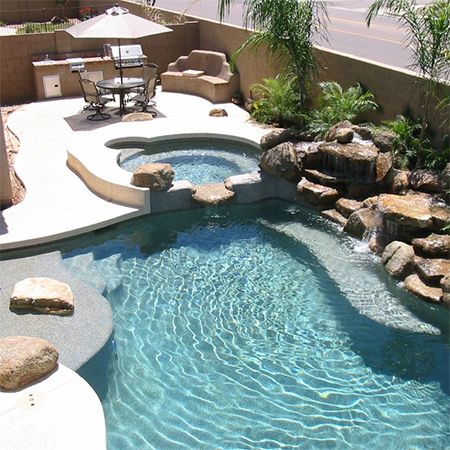
Across South Africa, swimming pools are
central to summer living. They are where
families cool off, children play and friends
gather on hot afternoons. But what many
homeowners do not realise is that small
maintenance mistakes can quietly turn that
backyard luxury into a costly problem.
Pool specialists say most issues are not caused
by expensive equipment failures or poor
installation, but by a handful of everyday
habits that are often overlooked. According to
Rowen Armstrong, Builders Buyer: Pool,
Pesticides and Garden Hardware, the biggest
problems usually start with something simple:
inconsistent water testing.
“What we see
again and again is that pool problems usually
come down to everyday habits, or the lack of
them,” he says.
The mistake almost everyone makes
Many homeowners only test their pool water once the water turns cloudy or green. In reality, pool water should ideally be tested at least once a week to ensure chlorine, pH and stabiliser levels remain balanced. “When water chemistry drifts out of balance, small issues can quickly escalate into algae outbreaks, swimmer discomfort and expensive chemical corrections,” Armstrong explains.
Bigger pumps don’t mean better pools
Another common misconception is that bigger
equipment automatically means better performance
particularly when it comes to pool pumps. In
South Africa, the average residential pool holds
roughly 50 000 litres of water. Pump size should
therefore be matched carefully to the pool’s
volume.
“An oversized pump may filter
water faster, but it consumes significantly more
electricity,” says Armstrong. “An undersized
pump may use less power but needs to run longer.
When that balance is wrong, electricity costs
quietly increase month after month.”
The hidden cost of an uncovered pool
Leaving
a pool uncovered during hot weather may seem
harmless, but it can significantly increase
maintenance costs.
Heat accelerates
evaporation of both water and chemicals, while
leaves, dust and debris entering the pool create
conditions that allow algae to develop quickly.
A properly fitted pool cover can reduce evaporation, keep debris out and help chemicals last longer but only if it is correctly matched to the pool’s shape and size.
Why adding more chemicals can backfire
When problems appear, many homeowners respond by adding extra chemicals in the hope of quickly restoring clear water.However, overdosing can often make matters worse.
“Too many chemicals can corrode fittings, damage equipment and cause swimmer irritation,” Armstrong says. “Using the wrong stabilised chlorine can also over-stabilise the water, which is often difficult to correct without partially draining the pool.”
The silent killer of pool equipment
Poor filtration is another common issue that pool professionals refer to as the “silent killer” of pool systems. When filters are not cleaned or backwashed regularly, pumps must work harder to circulate water. Debris and abrasive particles remain in the system, pressure builds up and mechanical wear increases. Over time, this can shorten the lifespan of expensive pool equipment and lead to avoidable repair costs.
The winter maintenance myth
Many South Africans stop maintaining their pools during winter, assuming that if nobody is swimming the pool can simply be left alone. In reality, neglecting basic care during the off-season often leads to higher repair costs when summer returns. Even simple steps such as occasional water testing and using a basic floater can prevent algae growth, corrosion and equipment damage.
Industry estimates cited in the article indicate that neglecting routine pool maintenance can add between R3 000 and R12 000 to a household’s annual costs through wasted chemicals, higher electricity usage, water loss and equipment repairs.
Simple checks that prevent expensive problems
Fortunately, most pool issues can be avoided with a few consistent habits:
- Test and maintain chlorine, pH, total alkalinity and stabiliser levels
- Run the pump for the correct filtration period
- Backwash and rinse filters regularly
- Remove leaves and debris before they trigger algae growth
- Knowing when to ask for help
When pool care begins to
feel complicated, experts recommend seeking
advice rather than experimenting with chemicals
or equipment settings. Consulting an in-store
pool specialist can help homeowners identify
problems early and avoid unnecessary expenses.
“If there’s one habit pool owners should
break immediately, it’s waiting for a problem
before acting,” says Armstrong. “Small,
consistent adjustments — especially regular
water testing — are what keep pools clear, safe
and affordable throughout the season.”
As
temperatures rise and pools see heavier use, the
difference between a stress-free summer and an
expensive one often comes down to what happens
after the pool is built.
For more
information on the Builders pool solutions range
or to request advice, visit:
https://www.builders.co.za/outdoor-garden-and-patio/pool/c/05209.
For homeowners unsure where to start, in-store specialists at Builders regularly assist customers with water testing, advice and practical solutions — helping South Africans spend more time swimming and less time troubleshooting