
How to Build a Year-Round Indoor Garden
A year-round indoor garden brings the beauty and freshness of nature into your home in every season.
15/10/2025
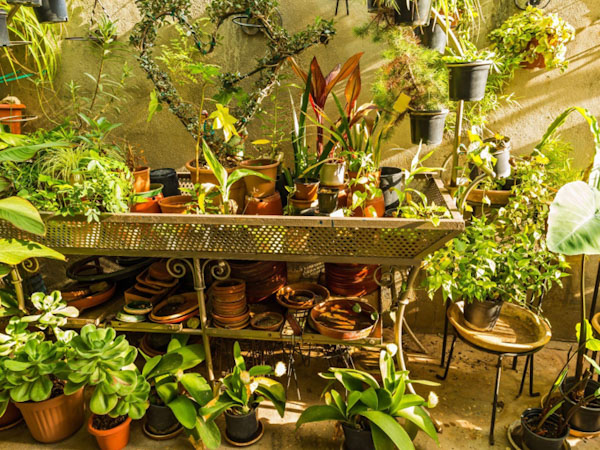
Imagine harvesting crisp lettuce, fragrant herbs, or even juicy strawberries in the middle of winter without ever stepping outside. A year-round indoor garden makes this possible, bringing the beauty and freshness of nature into your home in every season. It’s easier to create than you might think—just follow this simple guide.
1. Choose the Right Space
The first step in creating an indoor garden is finding the right location. Choose a spot that gets plenty of natural light, such as near a large south- or east-facing window. If sunlight is limited, especially during winter or in shaded apartments, supplement it with an LED grow light to give your plants the brightness they need.
2. Decide What You Want to Grow
Your indoor garden can feature anything from leafy greens and herbs to small fruiting plants and flowers. Here are some great year-round options:
- Leafy greens: Lettuce, spinach, kale, and arugula grow quickly and thrive in containers.
- Herbs: Basil, parsley, thyme, mint, and chives are easy to maintain and useful for cooking.
- Vegetables: Cherry tomatoes, peppers, and radishes can flourish indoors with proper care.
- Fruitings: Strawberries and dwarf citrus trees add a sweet touch to your garden.
3. Pick Containers and Soil
Select pots with drainage holes to prevent excess water from pooling at the roots. Always place trays underneath to catch runoff. Fabric grow bags are another great option, as they allow air to circulate the roots. If you prefer less maintenance, self-watering planters can provide a steady moisture supply.
For soil, opt for a high-quality potting mix made specifically for indoor plants. Regular garden soil is too heavy and may harbor pests or fungi. To improve drainage and aeration, mix in perlite, vermiculite, or coconut coir.
4. Maintain Ideal Temperature and Humidity
Most indoor plants grow best in a stable environment with temperatures between 65°F and 75°F (18°C–24°C). Keep them away from heaters, air conditioners, or drafty windows to avoid sudden temperature changes.
Indoor air can get dry during winter, so consider using a humidifier or placing a shallow tray of water near your plants to increase humidity. Light misting can also keep leaves clean and hydrated, but avoid spraying late at night to prevent fungal issues.
5. Water Wisely
Always check the soil before watering—if the top inch feels dry, it’s time to water. Use room-temperature water and pour slowly until you see it draining from the bottom of the pot. Empty the saucer afterward to prevent soggy roots.
Different plants have different moisture needs. Herbs and leafy greens like consistent, slightly moist soil, while succulents and cacti prefer dry conditions between waterings.
6. Feed Your Plants
Use a balanced, water-soluble fertilizer every two to four weeks during their active growing season. Leafy greens and herbs benefit from nitrogen-rich fertilizers, while fruiting plants such as tomatoes or peppers need more phosphorus and potassium for flowering and fruit production.
If you prefer organic options, you can use compost tea, fish emulsion, or worm castings as natural alternatives. Always follow the recommended dosage to avoid fertilizer burn.
7. Keep Pests Under Control
Check your plants regularly, paying close attention to the undersides of leaves and the soil surface. If you spot any pests, act quickly. Remove damaged leaves and wipe the remaining ones with a soft cloth dipped in soapy water. For persistent infestations, a light application of neem oil spray or an insecticidal soap works well. Ensuring good air circulation will also reduce pest problems.
8. Harvest and Replant
Regular harvesting encourages continuous growth. Pick herbs and greens frequently to promote new leaves. After a few growth cycles, refresh your soil or start new plants from seeds or cuttings to keep your indoor garden productive all year long.
Final Thoughts
Building a year-round indoor garden takes a bit of planning and patience, but the rewards are worth it. Start small, learn what works best in your home’s environment, and expand over time. Soon, you’ll be harvesting fresh, flavorful produce straight from your living room—every season of the year.