
How Professional Lighting Design Brings Out Features You Didn't Know You Had
There's a vast difference between putting some lights on your home and figuring out an entire landscape design with lighting.
19/11/2025
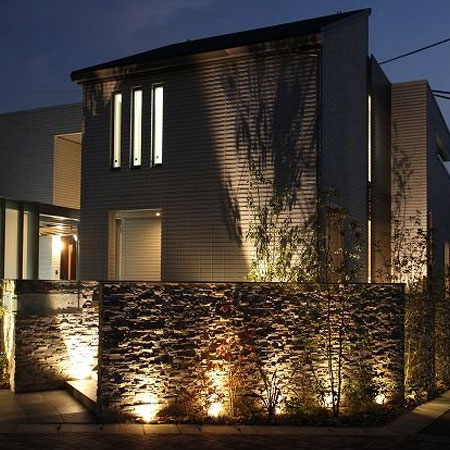
Most people pass the same trees and walls and garden beds day in and day out, never seeing them. And then someone comes along with good lighting, and suddenly, there's texture in the tree bark, there's a depth in the stone work and there's a shadow cast that makes everything seem three-dimensional. Not that these characteristics were not there before, but they were just hidden from sight without the properly angled and lit approach.
The same goes for what professional lighting design does as opposed to just providing light. There's a vast difference between putting some lights on your home and figuring out an entire landscape design with lighting. One reveals something specific; the other designates focus with an entirely different appeal.
What Changes When Things Are Properly Lit?
Here's a misconception many people assume: lighting does not necessarily shine directly onto something outdoors when someone wants to showcase it. Ever held a flashlight directly in front of someone's face? It flattens everything and casts harsh shadows. The same goes for illuminating landscape features.
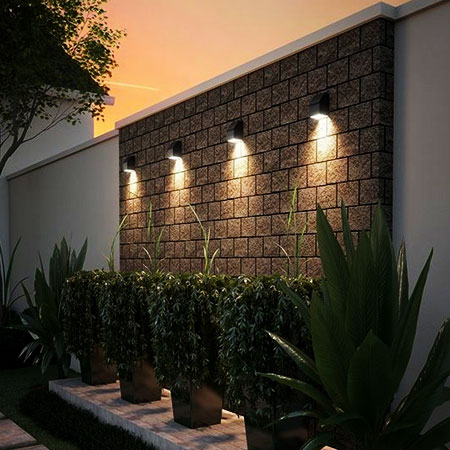
Instead, proper lighting angles are a true design element. Professional designers will put bulbs under a tree canopy to shine up through the branches, or they will graze lights across a wall or surface in a low position to highlight each bump or groove. They may even backlight plants to feature the silhouette and structure of the item instead of the front.
It's all in the technique. That Japanese maple you've had for years? Uplighting it now shows the branch structure of the leaves and how they're layered. That stone retaining wall that always seemed flat? Graze lighting renders it actual stonework with structure instead of just a barrier meant to hold dirt.
The Most Surprising Features Homeowners Discover
Generally, trees present the biggest surprises. During the daytime, you can see general shape and color. At night, with proper lighting, you see the architecture of the thing. The branches' joints where they separate and curve. The texture of the bark. How the canopy plays on the sky.
There are also many architectural details that properties boast that people overlook until something shines light upon them - trim work around windows, textured siding versus stucco, columns or posts framing entries. These items exist for visual appeal; when they go unlit or barely lit, they fall into the background.
Garden beds are similar. Perhaps there's an indeterminate layering pattern with a few staggered heights and textures; if they're not lit with dimension at night, however, you only get half of what was designed. Thus, lighting at various angles brings depth and appreciation to how everything is laid out.
Water features are also often illuminated surprisingly well. If there's a pond or fountain as a feature, during the day it looks nice. At night, lit from below or behind, it becomes mesmerizing as light reflects movement throughout.
Why This Matters Beyond Aesthetic Appeal
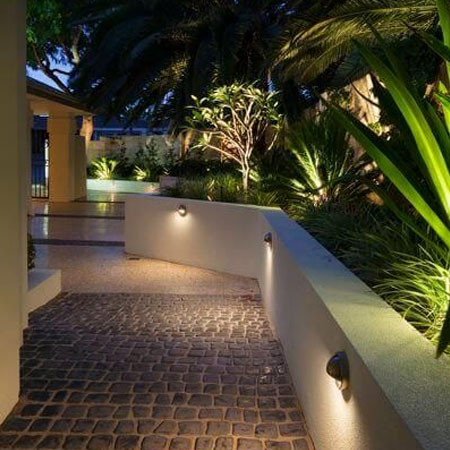
There's more than one practical component to this newfound sense of appreciation. When your property has features worthy of recognition, this automatically adds usable space. A patio or deck that glows becomes an area where people want to sit after dinner. A well-lit pathway prevents trip-and-fall accidents while evening strolls become more purposeful rather than merely functional.
There is also a notable security factor - not necessarily getting floodlights up and keeping a part illuminated as if on a baseball diamond. Instead, using strategically placed lighting to avoid dark corners and poorly illuminated entry features works best. When part of that security lighting system happens to be the landscape lighting, one's problems are resolved with one system.
The same goes for property value - but not in an abstract sense of curb appeal - but in how prospective buyers respond to homes that look well kept and thoroughly considered. Sunrise Irrigation provides that awareness immediately since it's clear someone cared enough to showcase special features throughout.
How The Design Process Makes The Difference
All too often, homeowners assume professional designers come with bulbs and fixtures to install them accordingly. The best ones will walk your property over time - daytime assessment includes finding key aspects while nighttime measuring is necessary to determine what's already lit - and what's not - successfully.
They seek focal points of which you may be unaware. Perhaps there's a mature tree that could ground the entire design or an architectural feature along your home that would benefit from accent lighting. They also play an important role in determining less reputable options where too much or too little light creates overwhelming spots or unintentional black holes.
In addition, people fail to realize how much fixture selection matters; different elements require different beam angles, intensities and color temperatures. What works for illuminating trees does not necessarily work for path lighting. What features textured walls could be too intense for garden beds? The wrong level can either wash it out (which looks tacky) or simply fail to illuminate (which disregards the purpose altogether).
Finally, layering proves essential for successful designs. Instead of striving for every element in the same tone and intensity - brighter task lighting where necessary and softer ambient lighting where optional - dividing up zones with different purposes can help create an overall atmosphere in which smaller values are then appreciated accordingly.
What To Look For On Your Own Property
Take an evening stroll around your property after dark to see what's visible and what's not. Are there features that completely disappear into darkness? Areas you wish you could see? Parts where existing exterior lights cast weird shadows?
Consider texture; rough stones, tree bark, ornamental grasses - they have surface interest begging for proper illumination - while smoother surfaces (painted walls, glass windows) need reconsideration so glare isn't created against them.
Similarly, height matters - if you're lighting everything from ground level, you're ignoring opportunities for depth generation within trees with interesting canopies or towering grasses/shrubs/layered planting beds which all require different levels of lighting placement to be appreciated properly.
The goal is not necessarily to light everything from access in every direction; sometimes contrast works better if certain parts remain dark to define outlines.
Bringing Everything Together
The best designs happen when people realize something's natural without any intention for it actually being viewed this way - when you don't even notice the fixtures themselves but only benefit from what they can create - when you walk through your yard at night and admire trees or textures and architectural aspects - you never think twice about the little boxes helping bring those areas to life.
That's talent; professionals must understand how outdoor light behaves in varied situations - how different surfaces respond based on texture and reflection - as well as shadows cast for depth perception in varying scenarios; they must also have foresight to ensure aesthetic appeal while practicality occurs as well.
Ultimately, the difference
between DIY lighting and professional work is
stark once you see before-and-afters.
Your
home undoubtedly has interesting
characteristics; most do - but they won't be
appreciated unless someone can see them at
night!