
Reliable Electrical Upgrades for Growing Households
Before another breaker trips during dinner, you’ll want to map out practical electrical upgrades that keep pace with your expanding life.
27/08/2025
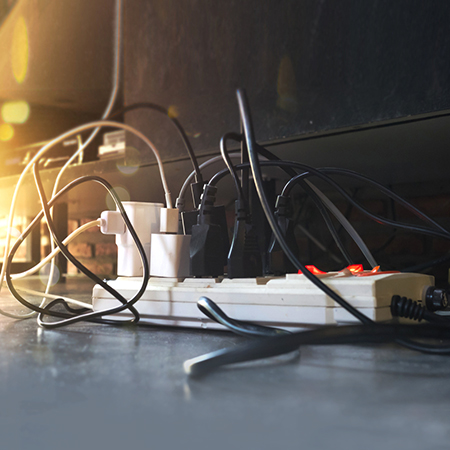
You’ve noticed the kids’ devices, the new heat pump, and the backyard studio all competing for outlets, and the switchboard is starting to groan.
Before another breaker trips during dinner, you’ll want to map out practical electrical upgrades that keep pace with your expanding life.
Resources like The Local Electrician explain when a licensed Level 2 technician in Greater Western Sydney should step in, but first let’s cover the basics.
Boost Panel Capacity
When the family grows and gadgets multiply, the first worry is usually whether the existing electrical panel can keep up without tripping breakers every evening.
- Pros of upgrading: Extra amperage gives freedom to add high-demand gear like induction ranges, dual heat pumps, or fast EV chargers without constant load-juggling.
- Cons of upgrading: Expect permits, utility coordination, and two to four thousand dollars, more if service wires or the neighborhood transformer also need enlarging.
- The hidden secret: Careful load-sharing, smart circuits, and efficient appliances often let a 100-amp panel power a fully electrified household.
- When an upgrade is mandatory: Sub-100-amp panels, corroded fuse boxes, or recalled equipment such as Zinsco or Federal Pacific units require immediate replacement for safety.
- Action plan: Map present and future loads, then discuss non-upgrade options with an electrician.
A deliberate roadmap prevents unnecessary costs, keeps neighborhood transformers happy, and still leaves room for hot showers, clean cooking, and weekend road trips in an electric SUV.
Modernize Aging Wiring
Vintage charm loses its luster quickly when brittle cloth wiring or obsolete two-prong outlets threaten fires, shocks, and endless frustration with modern electronics.
Identify hazardous wiring types
Knob-and-tube and aluminum branch circuits lack proper grounding, overheat under today’s loads, and can nullify homeowners-insurance claims after an electrical incident.
Plan a phased rewire
Full replacements cost less disruption when bundled with other renovations; prioritize kitchens, baths, and kids’ rooms, then finish lesser-used spaces during future projects.
Upgrade grounding and bonding
A dedicated grounding conductor, metal boxes, and updated service bonding protect sensitive electronics and provide safer fault paths than the building’s old water pipe.
Install AFCI and GFCI protection
Arc-fault breakers stop hidden sparking behind walls, while ground-fault outlets in damp zones cut power within milliseconds, reducing electrocution risk dramatically.
Choose copper and conduit wisely
Copper wire inside flexible metallic conduit future-proofs circuits, simplifies service expansions, and makes running data or control cables easier down the line.
Whole-Home Surge Protection
Power spikes from lightning, grid switching, or even a neighbor’s compressor can fry delicate circuit boards faster than any breaker can react.
- Layered defense: A Type 1 surge protector at the meter tames outdoor strikes, while Type 2 units in the panel snub smaller indoor transients.
- Savings highlight: One inexpensive device can spare refrigerators, heat pumps, laptops, and smart TVs from costly motherboard replacements after every summer storm.
- Warranty perks: Many manufacturers back their devices with equipment protection policies, adding an extra cushion against unexpected losses.
- Maintenance note: MOV-based units wear out; schedule five-year checkups or replace sooner after a significant surge event registers on the status indicator.
- Professional install: Short, straight conductor leads keep clamping voltages low, so hire a licensed electrician rather than attempting a DIY panel dive.
Couple panel-level protection with quality point-of-use strips for computers, and voltage chaos becomes a distant memory rather than a monthly budget line.
Install Safer Outlets
Outlet upgrades seem small, yet they provide outsized safety and convenience dividends for families juggling chargers, appliances, and energetic toddlers.
Swap two-prong for grounded receptacles
Grounding gives excess current a safe escape route, shielding both little fingers and sensitive electronics from dangerous fault paths.
Add tamper-resistant shutters
Spring-loaded covers only open when equal pressure enters both slots, preventing curious kids from inserting keys or crayons into energized parts.
Deploy USB-combo receptacles
Built-in USB-C and USB-A ports eliminate clunky wall warts, free up plugs for lamps, and reduce vampire-load standby power.
Integrate night-light outlets
Low-glow LEDs guide midnight snack runs without waking everyone, and their miserly draw beats leaving hall lights burning all night.
Energy-Smart Lighting Upgrades
Lighting efficiency delivers immediate, visible savings while simultaneously improving the ambiance and cutting heat gain during sweltering summer months.
Embrace LED retrofits
Modern screw-in bulbs sip a tenth the power of incandescents, last years longer, and now offer warm tones that flatter skin and décor alike.
Adopt dimmable drivers
Pairing LEDs with compatible dimmers tailors brightness to tasks, slashes kWh consumption further, and extends bulb life by reducing thermal stress.
Install occupancy sensors
Automatic shut-off in closets, laundry rooms, and bathrooms eliminates the infamous nobody-turned-off-the-light syndrome, a silent energy hog in busy households.
Layer task and accent lighting
Focused under-cabinet strips, pendant fixtures, and wall washers let general lighting run lower, saving energy while highlighting architectural features.
Add Backup Power
Storm-related outages climb every year, and an extended blackout can turn the happiest household into survival mode within hours.
- Portable generators: Cost-effective and flexible, but manual setup, refueling needs, and limited wattage make them best for brief emergencies.
- Standby generators: Automated natural-gas or propane units start within seconds, maintain HVAC and refrigeration, and self-test weekly for reliability.
- Battery systems: Quiet, emission-free storage pairs perfectly with rooftop solar, shifting you toward energy independence while keeping critical loads powered.
- Load prioritization: Sub-panel transfer switches isolate essentials—freezer, lighting, internet—so backup capacity stretches farther when everyone else remains dark.
- Regular drills: Twice-yearly practice ensures the family knows procedures, fuel remains fresh, and firmware stays current before the next weather event hits.
Selecting the right backup blend guards comfort, preserves food, and protects remote work commitments when the grid decides to take an unscheduled vacation.
Integrate EV Charging
Bringing an electric vehicle home is thrilling, yet plugging into a standard outlet quickly reveals painfully slow recharge times that cramp weekend plans.
Choose the proper level-2 station
Forty-amp, 240-volt chargers balance speed and panel capacity, adding roughly thirty miles of range per hour without overwhelming most 100-amp services.
Install a dedicated circuit
A separate breaker and appropriately sized wire prevent nuisance trips elsewhere and meet code requirements for continuous heavy loads like vehicle charging.
Consider smart load management
Some chargers communicate with breakers or utility apps, automatically throttling amperage during peak hours to avoid demand charges and keep neighbors’ lights on.
Future-proof the conduit
Running oversize conduit now makes upgrading to an 80-amp station later cheap and easy if your next car demands faster home charging.
Coordinate utility incentives
Many providers offer rebates or off-peak rate plans that shrink operating costs; their paperwork often requires pre-approval, so apply before wiring begins.
Adopt Smart Controls
A connected panel of sensors and switches acts as a silent energy manager, trimming waste and adding convenience without your constant attention.
Install smart breakers
Branch-circuit modules report real-time consumption and allow remote shut-offs, helping track energy hogs or disable the curling iron after leaving home.
Add voice-controlled switches
Integrations with Alexa, Google, or HomeKit dim lights, start fans, or cut holiday décor with a simple command while your hands wrangle groceries.
Utilize learning thermostats
Adaptive schedules analyze occupancy patterns, adjust HVAC setpoints automatically, and can shave fifteen percent off heating and cooling bills annually.
Employ leak and smoke sensors
Wi-Fi detectors send instant alerts to phones, stopping water damage or fire spread faster than traditional alarms when nobody is around.
Centralize automation rules
A single hub avoids app overload, ensures devices cooperate, and sets the stage for future integrations like vehicle-to-home power sharing.
Next Steps
You now know where electrical capacity, safety, and resilience can falter as household demands rise. Evaluate your panel, wiring, protection, and automation needs before devices multiply.
When questions exceed your own comfort level, explore qualified tradespeople servicing your suburb via the detailed service areas directory, then schedule informed inspections.