
Common Issues of Hot Water Systems and How Electricians Can Fix Them
For electric hot water issues, residents should have a trusted repair professional on call and this article will discuss common issues among hot water systems that they should be aware of.
25/02/2026
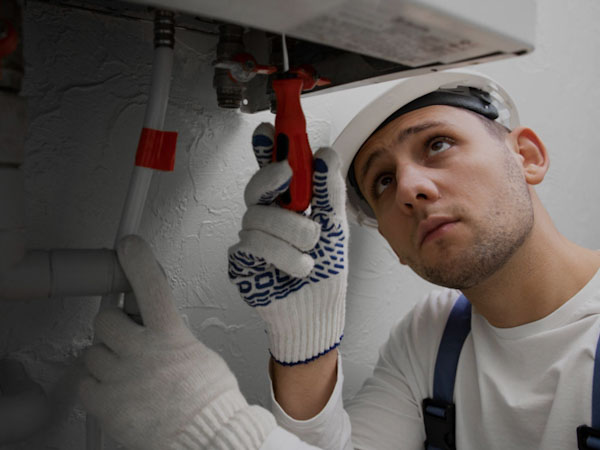
Source: Freepik
For Australian residents, a reliable hot water system is a staple for their showers, washing machines, dishwashers, and kitchen use. According to the Australian Department of Climate Change, Energy, the Environment and Water (DCCEEW), water-heating accounts for up to 30% of daily household energy consumption. With that context, a malfunctioning water heater can disrupt the convenience in their daily routine.
Faulty electrical components in water-heating systems contribute to household electrical issues that pose a safety risk to residents. For electric hot water issues, residents should have a trusted repair professional on call. That said, this article will discuss common issues among hot water systems that they should be aware of.
An Overview of How Hot Water Systems Work
A hot water system consists of several key parts that work together to heat water for use, and these components are:
- Storage Tank: An insulated container that stores heated water.
- Heat Source: The element that makes the water warm. Most water heating systems use electricity or gas heating systems.
- Thermostat: A temperature-activated switch that monitors or regulates water temperature.
- Safety Valves: A safety feature that releases hot water whenever the pressure or temperature gets too high.
Each component is expected to work in harmony, as one faulty part can compromise the entire system’s function. Electricians with licensing Level 1, 2, and 3 know how these parts function together and why electrical faults underlie hot water service failures.
Common Issues of Water Heating Systems
Water-heating issues, if left unattended, pose significant safety risks for the elderly and children. According to the Victorian Building Authority, more than 90% of scalding incidents occur in bathrooms. It occurs when a person is not able to react quickly enough to avoid high water temperatures. That said, it’s important to be aware of these common hot water system issues:
Compromised Electrical Wiring
Electrical wiring wears down for several reasons. Older homes come with the risks of outdated wiring and are prone to hazards from:
- Rodent damage
- Moisture corrosion
- Improper installation
Visible signs that an electric hot water system needs repair include leaks, water discolouration, unusual noises, and a foul smell. If left unaddressed, this hazard could cause severe collateral damage. In fact, the NSW Government reported that 40% of house fires are caused by faulty electrical systems. These figures highlight the importance of regular professional inspections and timely maintenance.
That said, working with a trusted electrician near you helps in any emergency situation. These professionals work by turning off the power source to inspect damaged wiring and replace faulty sections. In addition, they test the water-heating system to ensure it is properly functioning.
Tripped Breakers
In hot-water systems, repeated breaker trips often indicate deeper electrical faults rather than overloaded circuits. It can cause a short circuit due to faulty elements drawing excessive current, or it can come into contact with moisture.
When this happens, electricians repair the electric hot water system by isolating power to the unit and inspecting the water heater for damage. They test heating elements, wiring, and thermostats to identify the exact cause of this problem. Once diagnosed, they make necessary repairs to address moisture or corrosion issues. After completion, they test the water heater under normal operating conditions to ensure it heats water safely.
Damaged Heating Elements
In many Australian homes, hard water conditions accelerate sedimentation, reducing efficiency and stressing components over time. Although hot water systems generally last 8 to 12 years, mineral deposits and high thermostat settings can accelerate their wear. This results in no hot water, insufficient heating, or temperature fluctuations during use.
As such, electricians test element resistance and continuity by checking thermostats and inspecting tanks to diagnose problems. They repair the electrical hot water system by draining the tank and replacing faulty components.
Get Your Hot Water Running Today!
Persistent issues with your hot water system indicate serious electrical faults that pose safety risks, cause property damage, and lead to costly repairs. Addressing these problems promptly with a licensed professional specialising in electric hot water repair ensures consistent hot water for your home. In addition, it prevents further system failure and maintains your safety.
If your water heating system is failing at the wrong time, Everything Electrical Sydney has got your back. Our 24-hour emergency electrician service is available to handle damaged wiring to faulty heating element issues without delay. For more information, visit our website today!
Frequently Asked Questions (FAQs)
Here are answers to common questions about water heating system issues:
Why is my electric hot water heater not getting hot?
A malfunctioning water heater could be caused by a faulty heating element, a tripped breaker, or damaged wiring. For guaranteed checks, you can hire a licensed electrician to safely diagnose and repair the specific issue with your hot water system.
How long does an electric hot water system last?
Most systems last between 8 and 12 years, depending on usage and water quality. Regular servicing can extend their lifespan.
Can regular maintenance reduce the need for hot water repairs?
Yes, routine checks catch faults early and prevent major breakdowns. Maintenance also improves efficiency and prolongs the system’s life.