
Choosing Paint Colours and Finishes That Last in a South African Home
Most homeowners spend all their energy picking a colour and almost none picking a finish — and it's the finish, together with how our climate treats it, that decides whether you'll still love that wall in two years or be repainting it in one.
29/07/2026
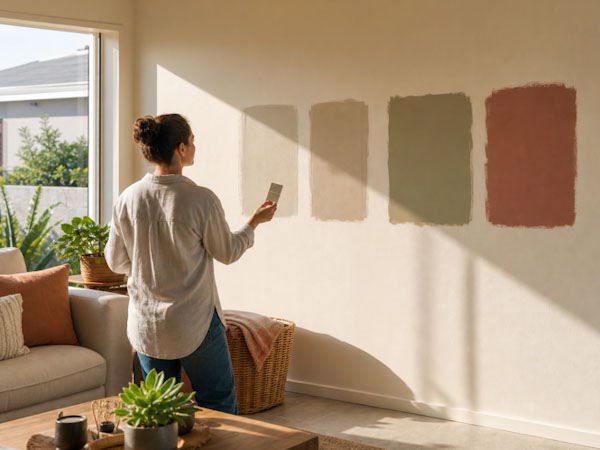
The colour you fell for in the tin is not the colour on your wall at 4pm. That little swatch looked perfect under the shop's fluorescent lights, but South African sun has a way of turning a confident "Tuscan Gold" into something closer to "traffic cone" once the afternoon light hits it. Most homeowners spend all their energy picking a colour and almost none picking a finish — and it's the finish, together with how our climate treats it, that decides whether you'll still love that wall in two years or be repainting it in one.
Finish, quickly: what matt, eggshell, satin and gloss actually do
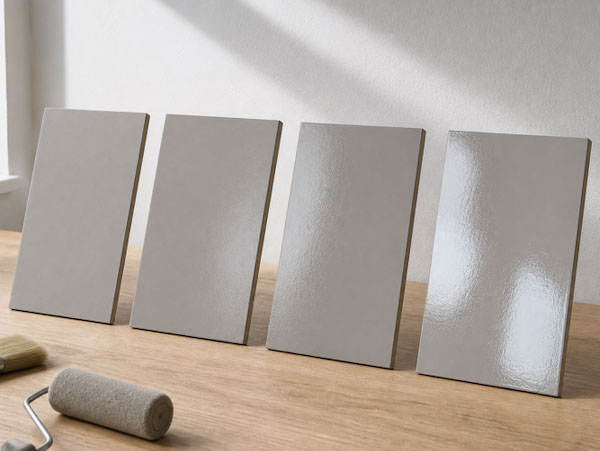
Before colour, sort out sheen. It changes how a paint performs, not just how it looks.
- Matt — flat, no shine, brilliant at hiding uneven walls and old patch jobs. Downside: it marks easily and doesn't like a damp cloth.
- Eggshell and satin — a soft, low-key sheen that wipes clean without looking glossy. These two are your everyday workhorses.
- Semi-gloss — a step up in shine and durability, sits between satin and full gloss, and shrugs off steam and splashes with ease.
- Gloss and enamel — hard-wearing, scrubbable, shows every bump and brush stroke, so surface prep matters more here than anywhere else.
Think of it as a sliding scale from "looks good" to "survives daily life," and pick your spot on that scale before you even open the colour chart. If you want a closer breakdown of how each sheen actually performs day to day, Dekro's paint range is worth a look before you commit.
Match the finish to the room and its traffic
Once you know what each finish does, matching it to a room is simple:
- Ceilings and low-traffic bedrooms — matt is fine. Nothing's touching these walls much.
- Hallways, stairwells and kids' rooms — go washable eggshell or satin. Fingerprints, scuffed schoolbags and the odd wall-drawing need a surface you can actually clean.
- Kitchens and bathrooms — satin or semi-gloss handles steam, splashes and regular wipe-downs far better than matt ever will.
- Doors, skirtings and trim — gloss or satin enamel shrugs off knocks and cleans up in seconds.
A shortcut worth remembering: the more a surface gets touched, splashed or bumped, the more sheen it needs.
SA sun is brutal on bold colours — mind your north- and west-facing walls
Here's the bit generic paint guides skip entirely. In South Africa, deep and bright colours don't fade evenly — they fade fastest on north- and west-facing walls, where the harshest afternoon sun lands day after day. A bold navy front door or a rich charcoal feature wall that gets direct late-afternoon light can visibly dull within a couple of summers.
The fix is simple: if a wall takes the brunt of the afternoon sun, go a shade or two deeper than you think you need, since sun exposure lightens and flattens colour over time. Save your boldest, most saturated choice for a wall that's shaded or south-facing, where it'll actually hold its depth.
Coastal vs inland: your address decides how often you'll repaint
Where you live matters as much as what you choose. Salt air and humidity along the coast attack paintwork relentlessly — chalking, peeling and colour fade all happen faster near the sea than they do fifty kilometres inland. A coastal home can need repainting every three to five years, while a well-protected inland home can comfortably stretch seven to ten years on the same coat.
That gap matters when you're choosing colour and finish today, because it changes how often you'll be back up a ladder. If you're coastal, lean toward tougher, more UV-resistant finishes and budget for repainting sooner rather than later. If you want a real sense of what that repaint is likely to cost when the time comes — labour, prep and paint quality all factor in — it's worth taking a look to check what a repaint typically runs across different SA regions, the same way you'd check the Plascon paint calculator before buying your tins.
Test the colour in your own light before you commit
This is the step nearly everyone skips, and it's the one that saves the most regret. Buy a small tester pot, not a full tin, and paint two patches on the wall that copes worst with the sun — usually a north- or west-facing one. Then live with it for a full day. Look at it in the morning, at midday, again at 4pm, and once more under your evening lights.
Colour shifts more than you'd expect across those four viewings. A soft grey can turn faintly blue at midday and warm to beige by evening. Skipping this step is how homeowners end up repainting a "mistake" wall within months.
Spend once, get it right
Get the finish right for the room, and test the colour in your own light before you buy the full tin. Do both, and you'll end up with a wall that still looks the way you wanted it to after the South African sun has had a proper year to work on it — instead of one you're already planning to redo.