
How to Create an Elegant Interior Without Overdesigning
An elegant room usually has fewer decisions in it, not more - not fewer good pieces necessarily, just fewer competing ideas.
17/07/2026
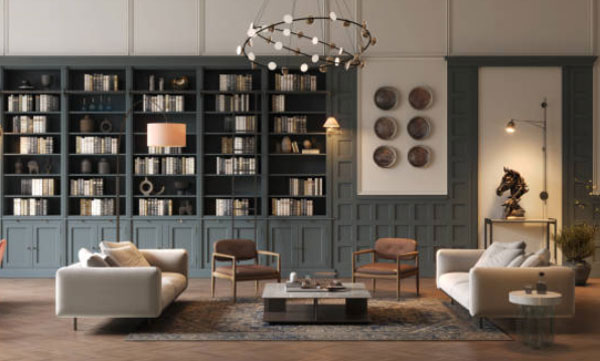
You know that feeling when a room has a bunch of nice things in it, but somehow the whole thing just looks off?
I've seen it happen in kitchens with three different metal finishes, bathrooms where the tile pattern and the wallpaper are basically arguing with each other, and living rooms where every single lamp is a "statement piece" and none of them are actually making a statement anymore because there's no room left to notice.
Here's the thing nobody tells you: an elegant room usually has fewer decisions in it, not more. Not fewer good pieces necessarily, just fewer competing ideas. Once you start looking at rooms that way, it's easier to figure out where your own space might be trying too hard.
Pick a Finish and Actually Commit to It
This one sounds obvious but almost nobody does it on purpose. Before buying anything at sites like Ferguson Home, decide what metal or material is going to lead the room. Matte black feels grounded and a little modern. Warm brass leans older and warmer. Brushed nickel just kind of disappears into everything, which is its own kind of useful.
Say you go with black. A Schlage door lever with a matching cabinet pull in the same finish already looks like it belongs together, even if you bought them on two different days and never thought about it twice. That's really all coordination is. It's not some grand plan, it's just two things agreeing with each other.
You Don't Have to Repeat It Everywhere
Once you pick a finish, there's a temptation to slap it on every single fixture in the room. Don't. Two or three touches, maybe a door handle, a drawer pull, one light fixture, is plenty. Past that point it starts looking less like a design choice and more like you ran out of ideas and just kept using the same finish because it was easier than deciding.
Lighting Pulls More Weight Than People Give It Credit For
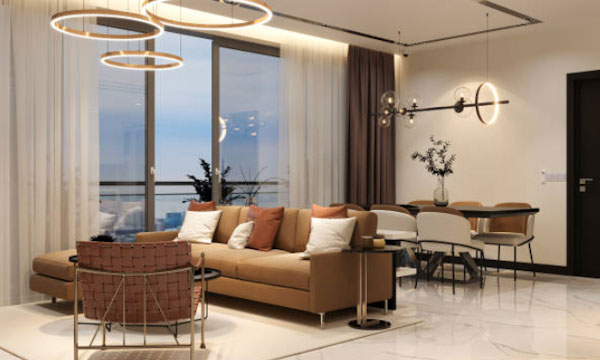
If I had to pick one category that gets underused in home design, it's lighting. One good pendant over a table, or a pair of sconces flanking a mirror, changes how a room reads more than almost anything else you could add.
Ferguson Home splits its lighting section by fixture type, so if you already know you want a pendant or a wall sconce, you're not stuck scrolling through everything from ceiling fans to landscape lighting just to find it. Brands like Kichler and Hinkley show up a lot in that part of the site, and their finishes tend to line up nicely with common hardware tones, which saves you the guessing game.
One more thing worth doing: put your main fixtures on a dimmer if you can. A room that can go from bright and functional to soft and quiet with the same light fixture feels a lot calmer than one that's stuck at one setting all day.
Don't Let Flooring and Wall Tile Fight Each Other
Flooring carries more visual weight than people expect walking into a room. A busy floor next to a busy backsplash is a lot to look at, even if both, on their own, are genuinely nice.
A steadier approach is picking one textured surface and keeping everything around it plain. A marble-look tile floor against a solid stone counter works because only one thing in the room is doing the talking. Two patterns in the same sightline usually just cancel each other out.
Tile size matters too, more than most people think. Smaller tile means more grout lines, and more grout lines read as busier even in a plain color. A larger format tile, something in the same family as what you'd find from Daltile or Bedrosians, tends to sit quieter in a small bathroom where every seam is right in front of you.
The Little Fixtures Give You Away
Faucets, robe hooks, towel bars. These get picked last and thought about the least, and that's exactly why they're where an overdesigned room shows up first. A bathroom with a Delta faucet in one finish and a robe hook in a totally different one always looks slightly unfinished, even if each piece individually is nice.
Pick one finish for the small stuff in a room and stop second-guessing it after that. It's a boring rule, but it works.
None of this is really about spending more or less. It's about making the first decision, a finish, a material, a mood, and then letting everything after that answer to it instead of starting from scratch every time. That's usually what makes a room feel calm instead of just expensive at Ferguson Home.
Frequently Asked Questions
Is one finish really enough for an entire room?
One that leads, plus maybe a second for contrast on something small like a light fixture. Beyond that, things start competing again.
Can a room still have personality if everything matches?
Yes, personality usually comes through in shape, texture, and a couple of standout pieces, not from mixing five finishes in one space.
Where should someone start if a room already feels like too much?
Hardware and lighting are the easiest fixes since they're smaller purchases, and swapping them sets the tone for everything else without a full redo.