
The Power of Colour in a Children's Bedroom
When paint colour is chosen with purpose, a child's room becomes a sanctuary that supports learning during formative years, while providing a space where they can feel secure, creative and capable.
03/03/2026
Designing bedrooms built for growth
As your child settles into their school routine, you have the task of creating a supportive home environment, essential to their learning, creativity, and emotional wellbeing. While we invest in desks, books, and study resources, one powerful design element is often overlooked: colour. The hues on the walls that surround your child can have a significant impact on their mood, focus, creativity, and confidence. Strategic colour choices can transform their bedroom room from generic into a sanctuary that nurtures learning, emotional resilience, and growth.
"Colour is far more than aesthetics, it's a tool for emotional regulation and developmental support," says Palesa Ramaisa, Dulux Colour Expert. "When chosen with purpose, a child's room becomes a sanctuary that supports learning during formative years, while providing a space where they can feel secure, creative and capable."
For calm, focused learning and better sleep
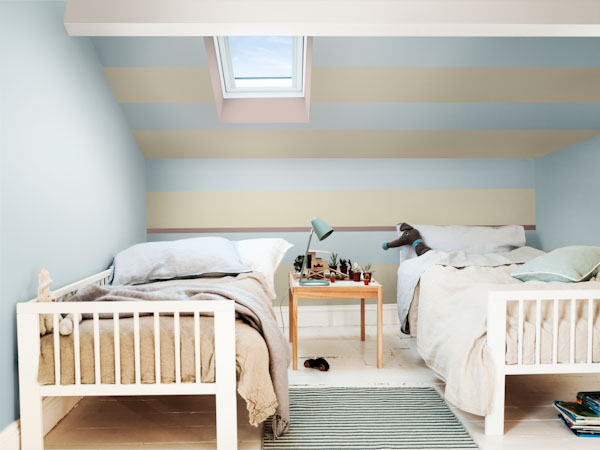
Soft blues, Limoges Blue 30BG 56/045 paired with Burmese Beige 40YY 51/084 and Pictured Rocks 10YR 28/072 reduces anxiety and promotes concentration, creating the emotional security they need for navigating schoolwork and bedtime routines. Blue has been scientifically linked to improve focus, making it ideal as a base wall colour for study corners or entire bedrooms. Pair this with warm cream accents and natural wood tones to create a balanced sanctuary. If your child’s room is small, paint one feature wall in calming blue with Dulux Luxurious Silk, then add pops of colour through textiles, artwork, and accessories. This layered approach allows you to refresh the space as your child grows while maintaining the psychological benefits of the base colour.
For creative expression and joyful energy
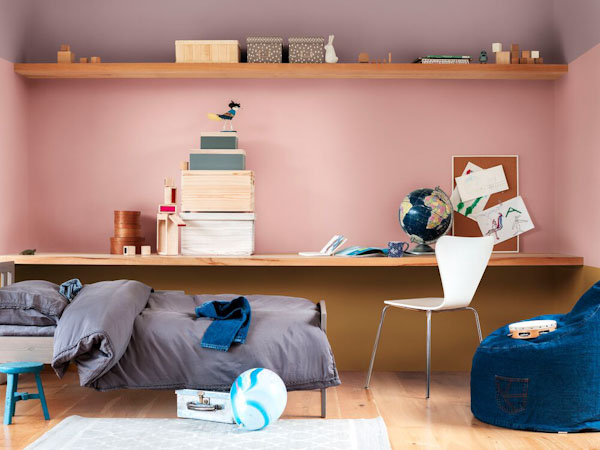
Warm coral-peach, Santa Rosa 10YR 37/143 paired with Pictured Rocks 10YR 28/072 and Bitter Creek 00YY 21/321energises imagination and sparks creative thinking - perfect for art corners, craft spaces, and for children who thrive on creative outlets. Unlike overstimulating bright reds, this softer tone encourages playfulness and self-expression while remaining emotionally grounding. Use this colour strategically on an accent wall or through creative elements like a painted bookshelf or activity nook. When combined with soft yellow and earthy greens, this palette creates a nurturing space that celebrates individuality and encourages artistic expression.
For balance, focus and emotional resilience
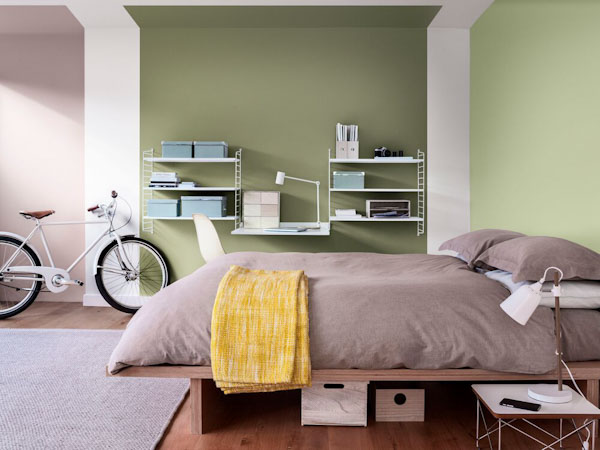
Soft green, Green Grove 70YY 18/152 accompanied by Pacific Pines 90YY 35/169 and Pictured Rocks 10YR 28/072 provides emotional balance and a sense of stability - crucial during the developmental years. Green is linked to stress reduction and growth mindset, making it ideal for children managing academic pressure or emotional challenges. Whether painted as the primary wall colour or introduced through plants, wall art, and textured fabrics, this palette creates a restorative environment. Pair it with soft whites and natural textures to enhance the calming effect, creating a space that feels like a personal retreat within the home.
Your child's room is more than a bedroom, it’s a study space, creative refuge and emotional sanctuary. When thoughtfully designed with colour psychology in mind, it can support learning, emotional resilience and confidence during developmental years. Whether you choose a calming blue for focus, warm coral for creativity, or gentle green for balance, you're creating an environment that supports their unique needs. When designed with intention and colour - growth, confidence, and joy flourish naturally.
For more tips, colour inspiration and ideas on how to add pride, imagination and creativity to your home or workspace, visit the Dulux social media pages Facebook, Twitter, Instagram or Pinterest