
Best Method to Clean Mold Off Bathroom Ceiling
Cleaning bathroom mold quickly helps keep you healthy and prevents damage to your ceiling.
16/02/2026
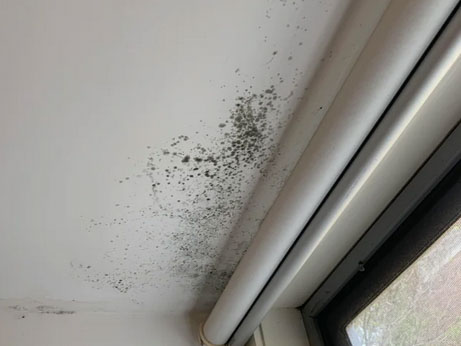
Mold on the bathroom ceiling is a problem many people face. It often shows up as black, gray, or green spots after moisture has built up for a while. Cleaning it quickly helps keep you healthy and prevents damage to your ceiling.
The good news is you can clean small areas of mold safely with basic tools. You do not need harsh chemicals or costly products. By following the right steps, you can remove the mold and help keep it from returning.
Why Mold Grows on Bathroom Ceilings
Hot showers and baths create a lot of steam in the bathroom. This warm moisture rises and settles on the ceiling. If the ceiling stays damp, mold spores can start to grow.
Poor ventilation makes the problem worse. Without an exhaust fan or window, moisture cannot escape. Over time, the ceiling paint becomes an easy place for mold to spread.
Is Bathroom Ceiling Mold Dangerous?
Small patches of mold are usually not a big problem for healthy adults. Still, mold can cause allergies, coughing, and eye irritation. People with asthma or weaker immune systems may have stronger symptoms.
If the mold keeps growing or has a strong smell, there might be a hidden moisture problem. Mold covering a large area can also damage drywall and paint. In these cases, it is best to call a professional for safe and effective mold removal.
What You Need Before Cleaning Mold
Before you begin, gather simple safety gear. Wear rubber gloves to protect your hands. Use a mask and safety glasses to avoid breathing in spores.
You will also need basic cleaning supplies. White vinegar or 3% hydrogen peroxide works well for most mold spots. Keep a spray bottle, soft cloth, sponge, and step ladder ready.
Best Method to Clean Mold Off Bathroom Ceiling (Step-by-Step)
Step 1:
Start by protecting yourself and getting the room ready. Open a window or turn on the exhaust fan to let air flow. Put down an old towel to catch any drips.
Step 2:
Next, spray white vinegar directly on the moldy area. Let it sit for about 10 to 15 minutes so it can break down the mold. This gives the solution time to kill surface spores.
Step 3:
Gently scrub the area with a soft sponge or cloth. Avoid scrubbing too hard, as this can damage the paint. Carefully wipe away the loosened mold.
Step 4:
After scrubbing, wipe the area with a clean, damp cloth. Make sure the ceiling dries completely. Use a fan or keep the ventilation running to help remove moisture.
What NOT to Do When Cleaning Ceiling Mold
Do
not scrape mold while it is dry. Dry scraping
can send spores into the air. Always spray the
area first to keep dust and spores from
spreading.
Do not ignore what is causing the
moisture. Cleaning alone will not solve the
problem if humidity stays high. Mold will come
back if the ceiling remains damp.
Never paint
over mold without cleaning it first. Paint will
only hide the stain, not kill the mold. The mold
will eventually show through again.
How to Prevent Mold from Coming Back
Good
ventilation is the most important step in
prevention. Turn on the bathroom exhaust fan
during and after showers. Leave it running for
at least 20 minutes to remove steam.
If your
bathroom does not have a fan, open a window or
door. You can also use a small fan to help air
move. Moving air helps surfaces dry more
quickly.
Lowering humidity also helps a lot.
Try taking shorter, cooler showers to reduce
steam. In very humid climates, a small
dehumidifier can also help.
After cleaning,
think about using mold-resistant paint. Make
sure the ceiling is completely dry before
repainting. Using a moisture-resistant primer
gives extra protection.
Conclusion
Cleaning mold off your bathroom ceiling is easy
if you follow the right steps. Using white
vinegar, wearing protective gear, and drying the
area well can safely remove small patches.
Acting early helps prevent damage and lowers
health risks.
The most important step is to
control moisture after cleaning. Improve
ventilation, lower humidity, and fix any leaks
right away. When you get rid of the source of
moisture, you protect your home from future mold
problems.