
What Makes a House Feel Like Home When You’re a Kid
A house becomes a home when it feels warm, fun, and full of love but what actually makes it feel that way?
22/04/2025
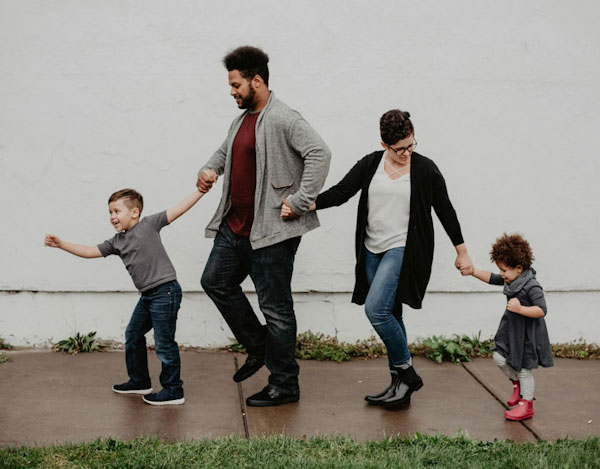
When you're a kid, a house isn’t just a place with walls and windows. It’s where your best memories happen. It’s where your favorite toys live, where you eat your cereal in the morning, and where you feel safe when it rains outside. A house becomes a home when it feels warm, fun, and full of love. But what actually makes it feel that way? It’s not just about having a nice bedroom or cool decorations. It’s more about the people, the routines, and how you feel when you’re there.
Familiar Faces Make All the Difference
One of the biggest things that makes a house feel like home is the people in it. When kids come home and see someone they know will listen to them, play with them, or help them when they need it, everything feels easier. That could be a parent, a grandparent, a sibling—or even someone from outside the family who becomes part of it.
Some families choose to get help from au pairs, which is a cool way of having someone from another country come live with the family and help take care of the kids. They're not just babysitters. They become part of the family, helping with things like playing games, getting ready for school, or walking to the park. Kids who grow up with au pairs often feel like they have a big sibling around all the time.
Having someone around who’s always there for the everyday moments—like when the zipper on your jacket gets stuck or when you forget your homework—makes a huge difference. It helps a house feel more comforting, even when things aren’t going perfectly.
Routines That Make Things Feel Right
Another thing that makes a house feel like home is having routines. This doesn’t mean a super strict schedule. It just means certain things happen every day that make life feel steady. For example, maybe there's always a bedtime story before sleep, pancakes on Saturday mornings, or a walk after dinner. Those little habits make things feel normal and safe.
When kids know what’s coming next, it helps them feel more in control. Even something as simple as knowing who’s picking them up from school or when dinner will be ready can make a huge difference. A house with routines tells a kid, “This is your place. You belong here.”
A Place to Be Yourself
Kids need space where they can be totally themselves. That doesn’t mean having a huge bedroom or a fancy playroom. It just means having a space where they can relax, mess around with toys, or read quietly. Some kids like to build with blocks or draw with crayons. Others just want a cozy spot to curl up and daydream.
It’s also important that grownups in the house respect those spaces. When a kid’s room or play area feels like their own, they feel more confident and comfortable. Having a place where they don’t always have to share or be perfect lets them breathe a little easier.
Feeling Safe—Emotionally and Physically
Home is where kids should feel the safest. That means they’re not scared of getting yelled at all the time or worried that something bad will happen. It also means they feel like they can talk about what’s bothering them without getting in trouble or being ignored.
Grownups in the house help a lot with this. When adults listen instead of brushing things off, kids learn that their feelings matter. That turns a regular house into a real home. Whether it’s a parent, guardian, au pair, or anyone else, having a person who listens and cares makes all the difference.
And of course, the physical part matters too. A home doesn’t have to be huge or fancy. But having a clean, warm, and safe space where kids aren’t cold, hungry, or scared is super important. Even simple things, like a working nightlight or a comfy blanket, help kids feel secure.
Fun Moments and Shared Time
Some of the best parts of being home are the fun times that happen with the people there. It doesn’t have to be a vacation or a birthday party. Just laughing during dinner, watching a favorite movie, or building a pillow fort on a rainy day can be enough.
These small moments bring people closer. And when they happen often, they become traditions. Families build their own special habits that no one else has. That’s what makes it feel like your home, not just a place where you sleep.
When adults make time to join in on the fun—even when they’re busy—it shows kids that home isn’t just about rules and chores. It’s about spending time together, no matter what’s going on outside.
Support When Things Get Hard
Every family goes through hard times. Maybe someone gets sick, or school gets stressful, or parents are super busy with work. What helps kids get through those times is knowing that someone is there for them, no matter what.
Sometimes parents get extra help from relatives or friends. Other times, they bring in extra support, like an au pair, to keep things running smoothly and make sure the kids still get attention and care. That support doesn’t just help the adults—it helps kids feel like their world isn’t falling apart. When someone is there to talk, help with homework, or just give a hug, it makes a tough day feel easier.
A Mix of Old and New
What’s cool about a home is that it changes over time. New people might come in. Rooms might get painted. Toys might get passed down. But the feeling stays the same when the people in it treat each other with care.
Kids notice the small things. They remember the funny sound the bathroom door makes, or the way the couch squeaks, or the smell of a favorite dinner. These little things build memories. And even when life changes, those memories stick around.
What Really Matters
In the end, what makes a house feel like home isn’t the size, the furniture, or even how clean it is. It’s the feeling kids get when they walk in the door. Do they feel welcome? Do they feel safe? Do they feel like someone cares about them?
When a house is filled with love, support, and time spent together, it becomes more than just a building. It becomes the place where kids grow, learn, and feel okay being exactly who they are. Whether that support comes from parents, siblings, or someone new to the family like an au pair, the most important part is that kids never feel alone.