
How Smart Home Technology Is Transforming Everyday Living
Whether it's automated systems that learn your morning coffee preference or a robot vacuum, smart home technology represents a profound shift toward living spaces that actually think—and respond—alongside us.
16/10/2025
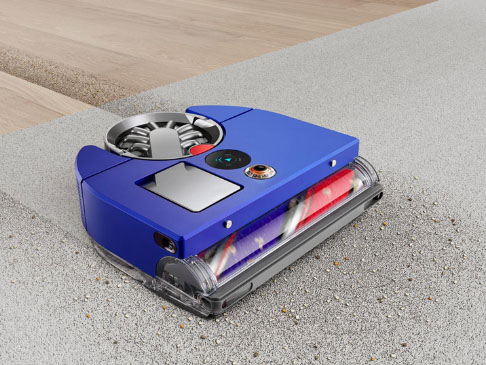
What once seemed like science fiction has quietly woven itself into the fabric of our daily lives. Smart home technology has made the leap from futuristic fantasy to practical necessity, fundamentally reshaping how we experience our living spaces. Today's interconnected devices effortlessly blend lighting, security, climate control, and cleaning solutions into our routines, delivering convenience and efficiency that would have been unimaginable just a decade ago. Whether it's automated systems that learn your morning coffee preference or a robot vacuum that tackles dust bunnies while you're at work, smart home technology represents a profound shift toward living spaces that actually think—and respond—alongside us.
The Evolution of Smart Home Technology
The path from those clunky
programmable thermostats of the 1980s to today's
sophisticated AI-driven systems tells a
fascinating story of technological persistence
and innovation. Early smart devices were digital
islands—each requiring its own app, its own
setup ritual, and a fair amount of patience from
homeowners who just wanted their lights to turn
on automatically.
Everything changed with
the emergence of unified protocols like Matter.
Suddenly, your Samsung smart bulb could talk to
your Google speaker, which could coordinate with
your Apple HomeKit setup. This breakthrough in
device interoperability has transformed what
were once collections of gadgets into truly
integrated smart ecosystems.
Today's
systems run on Thread networking protocols that
keep low-power devices reliably connected, while
sophisticated machine learning algorithms
quietly observe your habits and preferences. The
result? Homes that don't just respond to
commands—they anticipate needs. Industry
research consistently shows that households with
these interconnected systems report dramatically
higher satisfaction than those still juggling
individual smart devices.
Everyday Benefits of a Connected Home
The real magic of smart
home technology isn't in the impressive tech
specs—it's in how seamlessly it dissolves into
your daily routine. Consider how automated
lighting now adjusts not just to whether you're
home, but to your body's natural rhythms,
gradually shifting color temperature throughout
the day to support better sleep patterns.
Meanwhile, intelligent climate systems learn
that you prefer it cooler during your afternoon
work calls and warmer when the kids get home
from school.
Smart appliances have
evolved far beyond simple remote control. Modern
refrigerators keep tabs on expiration dates and
can suggest tonight's dinner based on what's
actually in your fridge. Washing machines
analyze each load and adjust their cycles
accordingly—no more guessing whether those jeans
need a gentle or heavy-duty wash. The cleaning
revolution has been particularly remarkable,
with sophisticated robotic systems handling
floor maintenance so efficiently that many
homeowners forget they ever spent weekends
pushing a vacuum around.
Key Takeaway:
Smart homes excel at handling the mental
overhead of household management—all those small
decisions and routine tasks that collectively
drain our energy and attention throughout the
day.
Health, Wellness, and Safety Innovations
Perhaps the most compelling development in smart
home technology lies in its growing focus on
healthier living environments. Air quality
sensors now work around the clock, monitoring
everything from allergens to volatile organic
compounds, automatically triggering purification
systems when needed. These aren't just gadgets
collecting data—they're creating actionable
insights that help families make better
decisions about their indoor environment.
AI-driven security systems have moved well
beyond the basic motion detectors of yesteryear.
Today's cameras can distinguish between your
teenager coming home late and an actual
intruder, while emergency response features can
detect when someone has fallen or may need
medical assistance. This technology proves
especially valuable for elderly family members
or anyone managing health conditions that
require extra vigilance.
The innovation
extends into unexpected areas—smart bathroom
fixtures that can monitor vital signs, sleep
tracking systems that optimize bedroom
conditions, and even intelligent lighting that
supports seasonal affective disorder management.
These advances point toward a future where our
homes actively contribute to our well-being
rather than simply sheltering us.
Overcoming Challenges: Privacy, Security, and Interoperability
Of course, inviting this
much technology into our most private spaces
raises legitimate concerns about data privacy
and security vulnerabilities. The very
connectivity that makes smart homes so
convenient also creates potential entry points
for cybercriminals. The stakes feel higher when
we're talking about devices that know when we're
home, what we're watching, and how we live our
daily lives.
The good news is that the
industry has largely recognized these concerns.
Quantum encryption technologies are emerging as
robust solutions for protecting household data,
while manufacturers increasingly prioritize
security in their design processes. Device
fragmentation—that frustrating reality where
your smart doorbell can't communicate with your
smart thermostat—continues to improve as
standardized protocols gain wider adoption.
Practical tip: Set up a dedicated network
exclusively for your smart home devices, keeping
them separate from the computers and phones that
contain your most sensitive personal
information.
The Future of Smart Homes: Personalization and Sustainability
The next
wave of smart home innovation promises even
deeper AI-driven personalization. We're moving
toward systems that don't just learn your
preferences—they anticipate your needs and adapt
to life's changing circumstances. Imagine a home
that adjusts its entire environment when it
senses you're feeling under the weather, or one
that automatically shifts into energy-saving
mode when you're traveling.
Sustainable
living represents another crucial frontier.
Smart homes are becoming powerful tools for
environmental responsibility, optimizing energy
consumption, reducing waste, and seamlessly
integrating with renewable energy sources. These
systems can time your dishwasher to run when
solar panels are producing peak power, or
coordinate with your electric vehicle to balance
home and transportation energy needs.
Accessibility improvements are making this
technology truly inclusive. Voice control,
gesture recognition, and adaptive interfaces
ensure that smart homes can enhance life for
users regardless of age, mobility, or technical
expertise. Predictive maintenance capabilities
extend device lifespans while minimizing
environmental impact—your smart home can
actually tell you when it's time to clean the
air filter or replace a component before it
fails.
Key Takeaways and Final Reflection
Smart home technology offers genuine potential
to enhance daily life through thoughtful
automation, improved efficiency, and meaningful
personalization. While privacy and
interoperability challenges persist, the rapid
pace of technological development continues
addressing these concerns while expanding what's
possible.
As this technology becomes more
accessible and sophisticated, the key lies in
thoughtful implementation. The most successful
smart homes aren't those packed with the latest
gadgets—they're the ones that solve real
problems and genuinely improve quality of life.
The future of smart homes ultimately isn't about
the technology itself, but about creating living
spaces that are more comfortable, secure, and
sustainable while truly serving the humans who
call them home.