
Air Purifiers for Asthma Sufferers: Are They Worth It?
Living with asthma means you pay close attention to the quality of the air around you and one solution you’ve likely heard of is air purifiers. But do they actually work?
08/06/2026
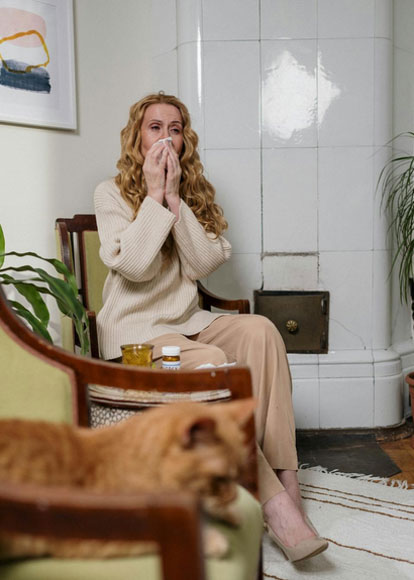
Living with asthma means you pay close attention to the quality of the air around you. After all, a day full of smoke, dust, or pollen sends many of us scrambling for relief.
One solution you’ve likely heard of is air purifiers. But do they actually work? We researched the details so you can decide if one is worth the investment.
The First Thing to Know About Asthma and Air Pollution
Understanding asthma triggers will help you understand how air purifiers can reduce your symptoms. Some common asthma triggers found in the home include:
- Dust mites
- Pet dander
- Mold spores
- Window drift pollen
- Cooking and candle smoke
- Chemicals like VOCs from cleaners or paint
When these particles float around your airways, they cause irritation and inflammation. As a response, your lungs try to fight back, leading to coughing, wheezing, chest tightness and difficulty breathing. An air purifier can help limit the number of these asthma-inducing particles floating around your home.
Air Purifier Basics
Air purifiers work by pulling air through a filter and forcing purified air back into the room. Not all filters are made equally, though. For asthma and allergies, you’ll want a HEPA filter, which stands for High-Efficiency Particulate Air.
HEPA filters used in consumer products are marketed to remove at least 99.97% of particles that are 0.3 microns in size. This captures common asthma triggers like dust, pollen, mold spores and pet dander.
Some air purifiers feature an added layer of activated carbon. The NHS told us that this type of filter targets odors like smoke or cooking and absorbs gases from chemical pollutants that HEPA filters can’t catch. If you live with smokers, near heavy traffic, or are exposed to gases from cooking/smoke often, look for air purifiers with an activated carbon filter. (You’ll pay a little more, but it’s worth the investment.)
Steer clear of air purifiers that generate ozone as a byproduct. Ozone is a lung irritant that can actually worsen asthma symptoms. Look carefully at the product details before purchasing.
Science Behind Air Purifiers and Asthma Control
The research around portable air purifiers and asthma is promising. The EPA compiled eight studies and found an improvement (statistically significant) in respiratory health and asthma symptoms when people used a portable air cleaner. That’s something.
Additional research demonstrates HEPA air filtration reduces indoor particulate pollution AND improves asthma control scores among asthma sufferers, particularly children.
A study published in 2021 found that children with asthma exposed to secondhand smoke who used HEPA cleaners had 42 fewer unscheduled asthma visits over the study period—a significant drop in emergency care usage.
Another study showed improved airway hyperresponsiveness (reactivity) when using HEPA filtration. Again, not every study was conclusive. But if used along with other proven strategies for reducing asthma triggers in the home, the air purifier was part of a beneficial downward trend.
Real Benefits of Air Purifiers for Asthma Symptoms
You can expect some clear benefits when purchasing a quality HEPA air purifier and running it regularly. Below are a few of the biggest ones:
- Significantly fewer asthma attacks. This is the big one. Cleaner air equals fewer irritants and triggers getting into your lungs.
- Sleep better at night. Many people find they sleep better when running the air purifier in their bedroom.
- Reduce need for rescue medication. If you can cut down on your triggers at home, you may not feel the need to rely on your rescue inhaler as much.
- Don’t suffer when allergy season hits. Pollen can be high outside during certain times of the year, but your indoor air will stay pollen-free with a good purifier.
- Air purifiers can remove up to 99% of airborne allergens from the air. Less allergens in the air = less asthma symptoms.
Features to Look for in an Air Purifier for Asthma
When you’re shopping for air purifiers, not all feature these ideal specs. Use this as your guideline for what to look for when you shop:
- True HEPA filter. Look for “True HEPA.” You may also see “HEPA-Type” which isn’t as powerful.
- Room Size. Check the recommended square footage based on the CADR (Clean Air Delivery Rate) listed on the box.
- Asthma and Allergy Friendly Certification. If the product has been certified by the Asthma and Allergy Foundation of America (AAFA), it has been independently tested for performance. Pick devices with this label.
- Activated Carbon Layer. This isn’t a must, but if you struggle with smoke or strong chemical odors in your home, it’s recommended.
- Quiet operation. You’ll want to use it at night. Look for air purifiers that have a low noise level.
Maintenance and Tips for Your Air Purifier
Now that you bought one, how do you get the most out of your purchase? Follow these tips:
- Keep it in your bedroom. You spend a good chunk of time here each night. Reducing the pollutants in this room can make the biggest impact for you.
- Leave it on. Air quality varies throughout the day. Leaving it on a low-velocity setting is more beneficial than using it for short periods.
- Change filters regularly. Once a filter gets too dirty, it won’t filter as well. Change the filter every 6-12 months.
- Use it with everything else you know to do. Air purifiers are not a replacement for regularly vacuuming, washing your bedding weekly, or closing your windows when pollen is high. Air purifiers work BEST when used with these other methods.
- Close the door. Keeping the door shut allows the purifier to work more efficiently by not allowing new particles in from other parts of your home.
Do Air Purifiers Provide Relief from Asthma Symptoms?
If you suffer from asthma, air purifiers can be a great benefit. Look for a quality HEPA filter that covers the size of your bedroom. Close the door and give it a few weeks to see if your symptoms improve. This can be a gamechanger for your health and asthma management.
Case Study: HEPA Air Purifiers Help Kids With Asthma at Home
Summary: A study examined how portable air cleaners affected air quality and asthma triggers in the homes of children between the ages of 6–12 who lived with asthma.
The Participants
Children with asthma living in farming communities.
The Problem
For reasons associated with farming, these children were routinely exposed to ambient particles, dust, and allergens.
The Solution
Find out if air purifiers made a difference.
THE DETAILS
Half of the study groups were given education about managing asthma. The other half received education PLUS:
Two portable HEPA air cleaners. One was placed in:
- The child’s
bedroom
The primary living area/window where the child spent most of their time
Devices collected and analyzed indoor particulates over time.
THE RESULTS
Levels of indoor airborne particles were drastically reduced including:
- Decreases of up to 60% in PM2.5
particle levels in bedrooms
Approximately 42% reduction of particles in living rooms
Noticeable reduction of asthma triggers such as dust and finer particulates found indoors
Another study on children who lived with second-hand smoke showed that there were fewer emergency asthma visits in households using HEPA air cleaners vs. the control group.
Researchers noted there were quantifiable decreases in indoor airborne particulates and a positive impact on asthma symptoms.
Takeaway
Air purifiers can help some people better manage their asthma by reducing airborne triggers such as:
- Dustmites
- Pet dander
- Pollen
- Mold
- Pollution
- Fine particles (PM2.5)
- Smoke
By using air purifiers with True HEPA filters, folks who suffer from asthma can often lessen their exposure to asthma triggers and enjoy cleaner air at home.
Children with asthma may especially benefit from strategically placing air purifiers in their bedrooms and other spaces where they spend lots of time.
Remember:
- Purchase a True HEPA air purifier and run it often.
- Place air cleaners in your bedroom and rooms where you spend lots of time.
- Keep filters clean by changing them regularly.
- Use your air purifier alongside proven trigger avoidance strategies like cleaning, vacuuming frequently, and reducing dust mites with special covers.
Reference:
FAQs:
Do air purifiers help with asthma?
Yes! Air purifiers are clinically shown to help reduce asthma triggers such as dust, pollen, smoke particles, pet dander, mold spores, and more.
What air purifier is best for asthma?
Look for a True HEPA air purifier. These specialized filters can capture the smallest asthma triggers.
Can air purifiers prevent asthma attacks?
Air purifiers can’t prevent asthma attacks because they do not treat asthma. However, they can help improve indoor air quality by reducing airborne triggers.
Do air purifiers eliminate dust mites?
Air purifiers can capture dust mites that become airborne but they will not prevent or remove dust mites from your carpet, furniture, or beds.
Does asthma benefit from activated carbon filters?
Yes! If you live in a home with cooking smoke, traffic pollution, or people who smoke indoors. Activated carbon filters help reduce asthma triggers that regular HEPA filters cannot trap.
Should you avoid air ionizers if you have asthma?
It’s not recommended to use them. Ionizers can release ozone which can irritate airways and make asthma symptoms worse.
Where should I put my air purifier if I have asthma?
Bedrooms are usually best because we spend so much time there while sleeping and resting overnight.
How long should I run my air purifier?
If you have asthma, it’s best to leave your air purifier on all day long. You can use the low setting if sound is a concern.
When should I change my HEPA filter?
Most filters need replacement every 6-12 months. But if you have pets, allergies, or live in a home with smokers you may need to change them even sooner.
Can air purifiers help children with asthma?
Based on several studies, they can be beneficial at reducing indoor pollutants.