
Healthy home = Healthy family
Florence Nightingale said "The connection between health and the dwelling of the population is one of the most important that exists." Now, more than ever, we need to address this connection because people are spending about 90% of their time indoors – notably affecting their health and well-being.
Chemical regulations are weak and put human health at risk. Over 80,000 chemicals are registered for use in commerce and about seven hundred new chemicals are introduced each year.
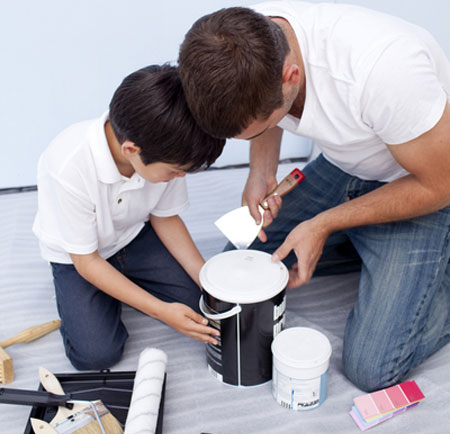
Our children are facing an historically unprecedented rise in chronic disease and illness such as cancer, autism, asthma, birth defects, ADD / ADHD, and learning and developmental disabilities. Credible scientific evidence increasingly points to chemicals used in everyday products, building materials, and furnishings as causing and contributing to many of these diseases.
Follow these steps for a healthier home
Step 1: Avoid Pesticides
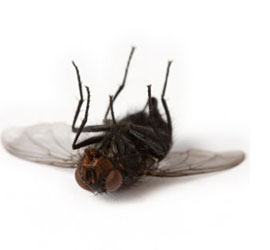
Weeds, bugs, rodents – we call them pests for a reason. No one wants them around. But the convenience offered by a pesticide’s quick fix has its price. Pesticides are poisons designed to cause harm and in most cases, the negative effects of these poisons far outweigh any positives of being rid of the pests. Pesticides have been linked to a range of health problems, including asthma, hyperactivity and behaviour problems, cancer, learning disabilities, reproductive disorders, and compromised brain development.
- Avoid using toxic chemicals inside and out. Even when used according to the
directions, pesticides can pose health risks – so don’t be fooled into thinking otherwise. - Prevent pests through good sanitation and food storage habits, and by preventing their entry structurally.
- Keep weeds down using mulch or kill them with boiling water (look out for
surrounding plants).
Step 2: Use Non-Toxic Products
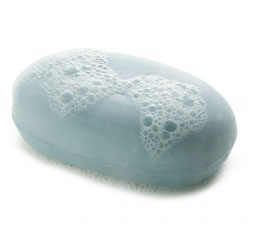
Stop for a moment to consider how many different products you come in contact with every day: personal care products, cleaners, computers, carpeting, cabinetry, cushions, cosmetics and much, much more. These are the makings of modern life, but do you know what’s in them? Oftentimes, what’s in them ends up in you. You may be rubbing hormone-disruptors into your skin every day or inhaling carcinogens every time you lay on your couch.
Protect your health from this constant assault by making sure the products and furnishings you buy are non-toxic. There are an increasing number of safe and healthy alternatives.
- Use gentle castile soap and water - these have been shown to keep surfaces as
free of bacteria as antibacterial soaps do. In fact, antibacterial soaps and
disposable wipes have not been proven any more effective than regular soap in
preventing infections, but raise significant concerns about developing resistant bacteria. Also, triclosan commonly used in antibacterial products has been linked to negative environmental and health impacts. - Buy safer cleaning products. Many stores carry cleaning and home products that are very effective without harsh chemicals or fumes.
- Make your own safer cleaning products. Baking soda is a great scouring agent and vinegar mixed with water makes an effective glass cleaner.
- Reduce your use of products altogether by investing in microfibre cloths or hand held steam cleaners, both of which clean effectively with water alone.
- Regularly wash hands with plain soap and water (antibacterial are unnecessary), making sure to get between fingers, the back of the hands, and around nail beds (this takes about 20 seconds – or the amount of time it takes to sing the ABCs).
Step 3: Clean up indoor air
We spend about 90 percent of their time indoors. It might seem safer and
cleaner, but indoor air is typically more polluted than outdoor air. Common indoor air
pollutants include formaldehyde, carbon monoxide, benzene, toluene, radon,
secondhand smoke, and volatile and semi-volatile organic compounds.
The products we use and surround ourselves with are the source of a substantial portion of indoor air pollution. That’s why it’s essential to know what’s in the products you buy and opt for the most natural and non-toxic choices. After doing your best to eliminate the source of the pollutants, you should ensure your home is properly ventilated. Ventilate your home by opening windows, even for a few minutes a day. It’s the second best solution after prevention.
When addressing odours, use non-toxic techniques to scent and deodorize the house.
healthy home 2010