
Damp Control
The average rainfall can drop hundreds to thousands of litres of water on your roof, and a great many homes throughout the country have moisture damage and mould problems. This can lead to extensive damage and leave a homeowner facing costly repairs.
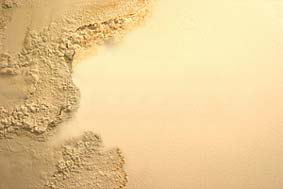
Controlling excess moisture in your home is vital to having a healthy home. Moisture comes from plants, people, showers, cooking, laundry and leaks. An average family can disperse anywhere from two to three litres of moisture into the air daily. For example, a 10-minute shower puts half a litre of moisture into the air, and three meals cooked on a stove top for a family of four puts two and a half litres into the air. Moisture only becomes visible when it condenses into a liquid usually called steam, mist, fog, or "sweating" on cool surfaces such as windows.
The following tips will help you control moisture levels in your home.
- Clean and repair roof gutters regularly. Taking the time to maintain and repair downspouts and gutters can double or even triple the life of your roof drainage system. This can save you a lot of money on repair costs. Inspect your downspouts and gutters about twice a year. Improper drainage due to poor roof pitch is one of the biggest causes of roof drainage problems.
Improper drainage causes water to accumulate in certain spots in the gutters, ultimately building up debris and accelerating rust. Clogged gutters and downspouts can also be a big problem. Thoroughly clean all debris from the gutters and downspouts at least twice a year. If there are a number of trees near your home, clean the gutters with a broom even more often than twice a year.
- Bathrooms, more than any other room in the home, are prone to excessive moisture problems due to lack of proper ventilation. The easy solution is to install an extraction fan.
- Appliances that produce moisture, such as clothes dryers and stoves, should have vents that open to the outside of the house whenever possible.
- Cover pots when cooking, especially when boiling water.
- Make sure that the ground around your home's foundation slopes downward so water does not enter or collect around it.
- Trim back vegetation from the outside walls, especially the south side.