
Cracked up
No one likes to see cracks appearing in their walls. Most will be just surface disturbances of the plaster caused by your home expanding and contracting naturally (or breathing as it is sometimes known).
New homes can be plagued in the early months of occupation by minor cracks caused by the home settling. For the most part these cracks, though often unsightly, are benign. Just like finding a physical discrepancy in your own body like an suspicious mole or lump, however, it is worth getting to the bottom of what is causing the crack.
A crack is actually the visible symptom of a possible problem, and not the problem in itself. There is no one definitive cause for cracks but the minor changes in the temperature and moisture within building materials can be enough to cause hairline fractures in a surface. Vibrations from traffic, particularly if your house is over a ridge can cause problems, and clearly subsidence can be a more serious root cause of structural cracks.
Homes built above former mine workings, landfill and other possibly mobile ground can be most susceptible to structural cracks of this kind, and really prevention is better than trying to find a cure. Before you buy a house, ensure you have commissioned a rigorous environmental search for possible problems. Also walk along the roads in your area. Are there clear signs in neighbouring properties that bay windows may have been underpinned or re-pointed recently?
The neighbouring houses converted into rental accommodation or multiple residences will often be a giveaway. Where there is no responsibility for the exterior upkeep by the tenant or where the freehold of a series of flats held by an external party, costly remedial work like underpinning will often not be a high priority.
"A crack is actually the visible symptom of a possible problem, and not the problem in itself."
Simple redecorating will be enough to mask most superficial cracks. DIY centres now abound with fillers and paint filler combinations to help repair smooth surfaces now that the fashion for stippled ceilings and woodchip wallpapers are thankfully behind us. Cracks in brickwork are a different matter. They can be caused by the elements acting on flaws within the brick, but they can also be caused by a shift in the buildings weight.
Look out for cracks in window and door frames which may be symptomatic of extra weight being placed on lintels. If at the same time doors begin suddenly to stick you should seek professional advice immediately. If wooden window and doorframes develop large cracks, they can be easily replaced, but bear in mind that there may be a more serious underlying cause - especially if they begin to stick when opened.
"Cracks in brickwork are usually more serious, and will need a professional opinion."
Ultimately once your home starts developing cracks there is only so much you can do without incurring a lot of expense. Better to spend time on prevention, and be aware whether the home you are about to fall in love with may be more susceptible than others to shifting. Where cracks are superficial, learn to live with them and treat them with good quality fillers and paints. They are your home's marks of experience after all.
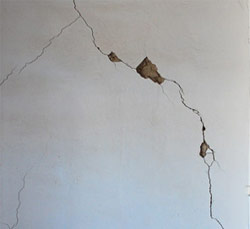
Most vertical cracks in a foundation wall do not seriously damage the structure of your home. Vertical cracks are most often caused by the shrinkage of the concrete as it cures, but they also tend to occur from damage as the foundation settles. When looking at a vertical crack, run your fingers across it- if the sides of the crack are even, then that's a sign that the crack formed as the concrete cured.
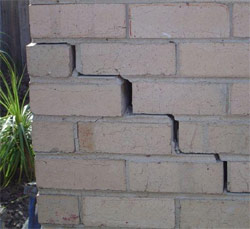
If you have a crack in your walls and do not treat it, it's possible that the crack is going to get worse and water is going to use that as a way in. Additionally, because the wall is literally cracked in two pieces, the movement of the walls due to pressure from the outside will work the cracks open even more, causing attempts to patch the crack to fail and increasing the size of the crack. One crack leads to another, and no crack is ever going to improve on its own.
Repair all cracks that are letting water in or are exposed to moisture to avoid further damage. If you find foundation cracking that suddenly forms and is more than 10mm in width, it needs immediate professional attention.
channel 4 - images - statewide - supermarket