
More than just paint
We all know by now that paint is one of the most affordable ways to add colour to a home, but more than that, paint offers an opportunity to design and create unique interiors.
There are several ways to apply various paint techniques and paint effects to walls, many of which we cover in this Decorating Section. There are also ways to use colour and different types of paint in ways that emphasize and accentuate features in a home.
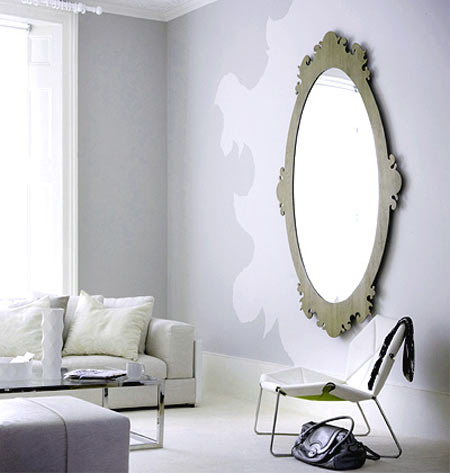
Paint a design on the wall
You can buy clear glaze products that you can add paint to make up your own coloured paint effects glaze. These glazes are sold under a great variety of names, including 'scumble' and 'clear base', and can be used with various paints. Working with a glaze prolongs the drying time of your paint, and therefore making the whole process easier, as well as giving a translucent effect. Make sure you mix up enough to complete the job, but keep a record of the proportions of materials in your glaze in case have to mix more.
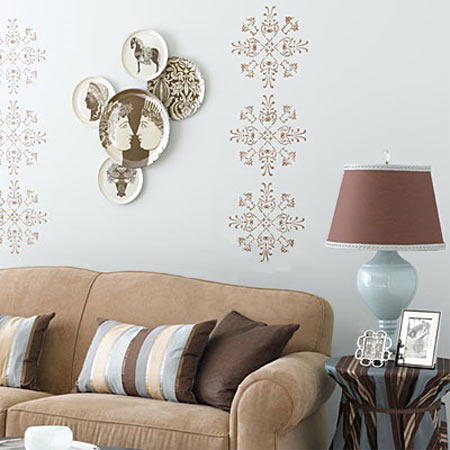
Paint that offers the effect without any technique
You know you want to do something interesting with your walls, but you're not sure what. You've never liked the idea of wallpaper. If you want something simple but not boring, looking into different types of paint now available is a good place to start. Each paint has something slightly different to offer and all of them will enliven your walls.
Pearlescent
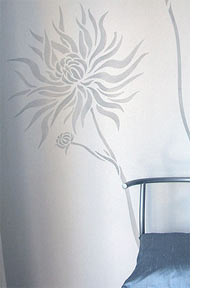
This is a uniquely formulated interior paint that creates a soft pearlescent finish and is easily applied over existing paint colours. The elegant effect captures the rich luster of a natural pearl, leaving an effect that absorbs yet reflects light. This finish is suitable for feature walls, interior trims and wood finishes. Apply a coat of undercoat or sealer. Roll on the first coat and allow to dry. Apply the second coat with a brush in long vertical stripes or criss cross your walls for a really subtle finish.
Shimmering
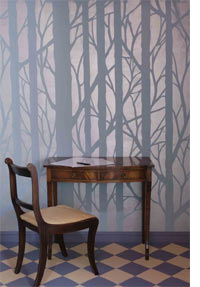
Metallic wall finishes are just one way to add depth, dimension and a glamorous look to your walls. Metallic paint adds a shine and shimmer to your living space that a flat coat of paint cannot. Some people shy away from the use of metallics because they fear their walls might come off as too reflective or create too opulent a look. However, there are various ways one can incorporate metallic paint into a decorating scheme.
With the proper application and in the right setting it can create a lovely enhancement for your home.You can decide to paint with a metallic colour as the base or simply put it on as a finish coat. You can also use various faux finishing techniques with metallic paints. Faux finishes on walls can look great with a metallic base colour. The reflective metal that shows through the paint adds depth and shimmer to a wall.
Brushed
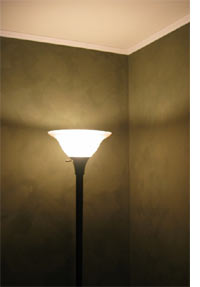
Suede and Canvas - A range of waterbased paints that allow you to create a look that resembles fabric - both indoors and outdoors. Although providing a flat finish, these paints absorb and reflect light in such a way that they resemble a woven paint finish on walls.
Creating faux effects such as making your walls look like they are made of plaster or suede can also really make your room stand out. You can easily learn how to create these seemingly difficult finishes at your local paint store. Paints that automatically give a suede or textured effect to the walls are a shortcut that even artists use to create fun finishes.
Textured
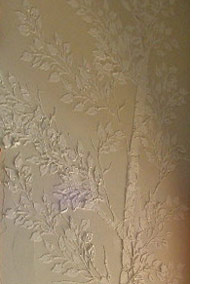
The least expensive, and in some ways the easiest method of making a textured wall is to use textured paint. Though it won't be able to cover up significant damages, for a wall with a few dings or dents, textured paint will be just fine. All acrylic paints can be used over textured basecoats to give an added dimension to the finish.
By using a textured basecoat you can add texture and pattern to interior walls without using plaster, and these paints also help to hide surface imperfections. Textured walls can be an aesthetic choice for those who are looking for a room with a different sort of look and feel. In some cases, textured walls are also a practical choice; wear and tear on a wall (whether small or significant) can often be covered using textured paint.
When using paint effects or paint techniques for decorating your home, the key thing to remember is that there are no hard and fast rules about what you should do. Spend time getting the effect right by experimenting with different colours and application techniques until you are happy with the finished look.