
Keep mould out of the bathroom
Whether you see it or not, mould is present in and on almost every surface, but too much mould can not only be a nuisance but also unhealthy. Moisture is the primary issue, and prevention is key, so at some point knowing how to eliminate it will come in handy
Mould in the bathroom is definitely a no no. Depending on the severity of the mould problem there are ways to get rid of it without resorting to toxic and harsh substances.
Gather your supplies
To remove mould in a bathroom you can use any of the following: water and vinegar, baking soda and water, hydrogen peroxide, tea tree oil, borax and vinegar, grapefruit and salt.
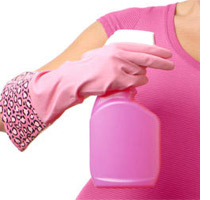
TOOLS:
Squeegee
Sponge, Cloth and old towel
Toothbrush
Scrub brush
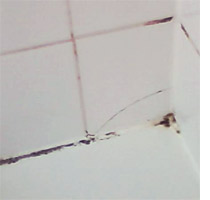
1. The first step to eliminating mould is to prevent it from growing in the first place. If your bathroom has fan, use it. If it doesn't open a window in the bathroom, or open the bathroom door to keep air moving. This is the most effective way to prevent mould growth.
2. After each bath or shower squeegee off all surfaces, especially horizontal surface that may have water sitting on it for extended periods of time. If you have a shower curtain don't leave it open for very long or else mould will grow in the folds of the curtain.
3. It's easiest to clean right the bathroom after you've taken a hot shower and the room is steamy in the room, which helps loosen mould and dirt from the surfaces.
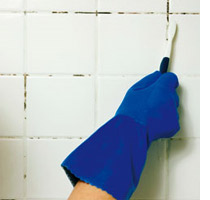
4. Spray your chosen cleaner on affected areas and let sit for several minutes up to an hour. Using a scrub brush or a sponge, wipe down the walls of the shower. You might need to put a little elbow grease into it, but don't resort to bleach, which only temporarily makes the mould disappear. Toothbrushes work great on the mould joints.
- Tea tree oil: Mix two teaspoons of tea tree oil in two cups of water and place into a spray bottle - spray onto mouldy areas and don't rinse.
- White vinegar: Apply directly onto sponge or spray onto surfaces. Option to add an essential oil for a nice smell and additional mould fighting power.
- Citrus juice: Apply juice from citrus of your choice (lemon, grapefruit, orange, etc.) directly to a sponge and wipe surfaces.
- Hydrogen peroxide: Mix one part hydrogen peroxide with two parts water, spray onto surface and leave for an hour.
- Borax and vinegar: Mix 1/2 cup borax and 1/2 cup vinegar to make a paste. Scrub with a brush or sponge and rinse with water. Let mixture sit for an hour before rinsing with water for stubborn mold.
5. If you have a serious mould problem consider the installation of an extraction fan to reduce humidity in the room. The more moisture there is - the greater the chance for mould growth.
Prevention
Fix leaks immediately: Any broken plumbing, leaky taps or damp in the walls should be fixed as soon as possible.
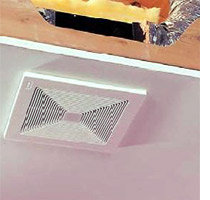
Increase ventilation:
Use exhaust fans, open windows, or have ventilation boxes fitted into the wall in bathrooms and kitchens, and ensure your clothes dryer is exhausting moisture to the outside - recirculating fans only help move air but do not get rid of moisture.
Safety first
Always dry any wet items as soon as possible to prevent mould, and use a respirator, goggles and gloves when handling mould.